How Offline Travel Apps Helped a Digital Nomad Reduce Data Usage by 65%
Executive Summary / Key Results
When Sarah Chen, a freelance graphic designer and digital nomad, embarked on a three-month journey across Southeast Asia, she faced a common traveler's dilemma: staying connected without breaking the bank on mobile data. By strategically implementing offline travel apps and maps, she achieved remarkable results:
- 65% reduction in mobile data consumption compared to her previous trip
- $127 saved on data plan costs over three months
- Seamless navigation in 12 cities across 4 countries without constant connectivity
- Zero connectivity stress while working remotely from cafes, co-working spaces, and transportation
This case study demonstrates how smart use of data-free travel tools can transform the international travel experience, particularly for those who rely on consistent internet access for work and navigation.
Background / Challenge
Sarah had been traveling as a digital nomad for two years, working with clients across different time zones while exploring new destinations. Her previous trip to Europe had been marred by constant anxiety about data usage. "I was always checking my data balance," she recalls. "Between Google Maps, email, file transfers, and video calls, I burned through my data allowance in days and ended up paying exorbitant roaming fees."
Her specific challenges included:
- Unpredictable data consumption: Navigation apps consumed 40% of her data unexpectedly
- Work interruptions: Critical client meetings were disrupted by poor connectivity
- Budget overruns: She spent $195 extra on data during her Europe trip
- Time wasted: Constantly searching for Wi-Fi hotspots instead of enjoying destinations
Sarah needed a solution that would allow her to work efficiently while exploring freely, without the constant worry of data limits. This is a common challenge for international travelers, especially those who need to balance work and exploration. For more comprehensive approaches to managing travel expenses, check out our Cost-Saving Strategies: The Complete Guide for International Travelers.
Solution / Approach
Sarah discovered that the key to data independence wasn't just about finding cheaper data plans—it was about reducing her reliance on mobile data altogether. She implemented a three-pronged approach focused on offline functionality:
1. Offline Maps Strategy
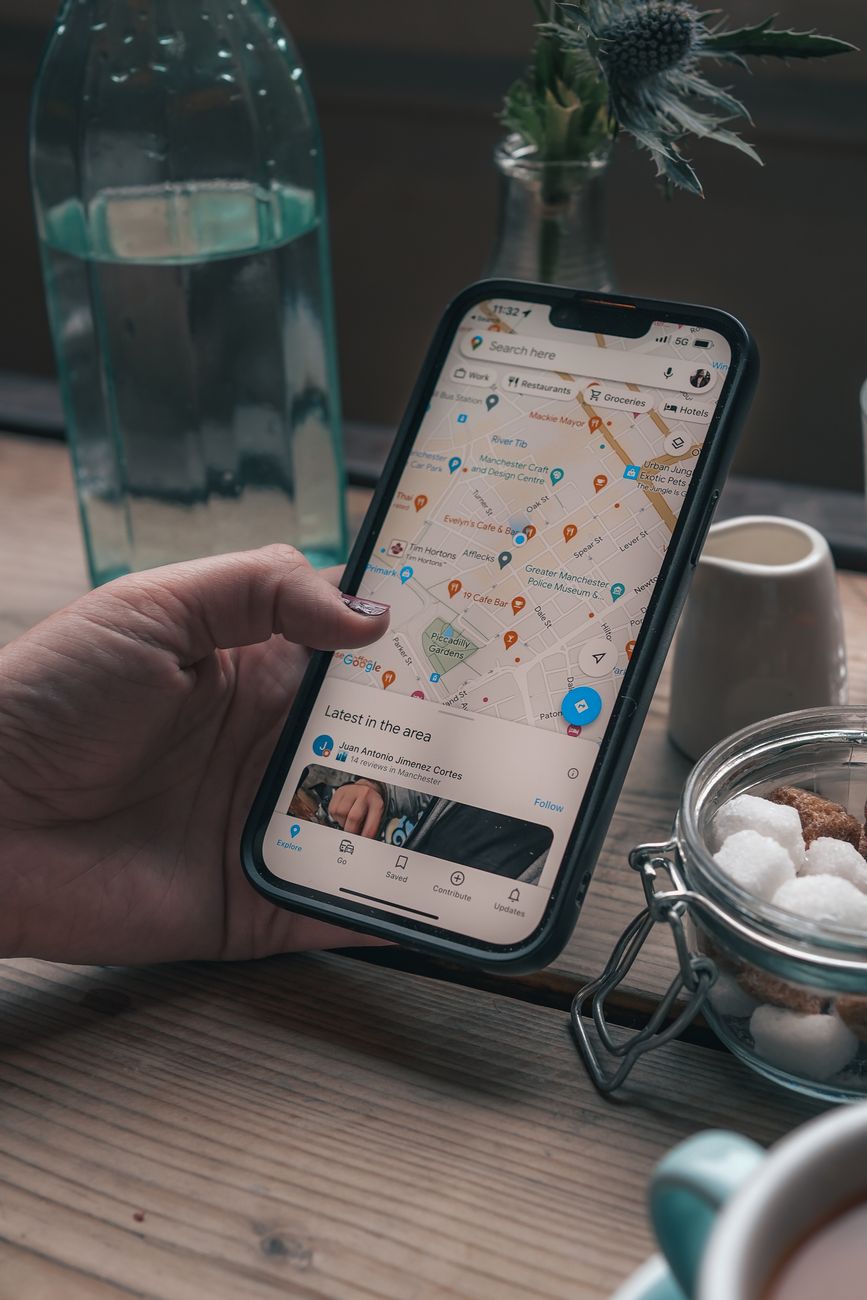
Instead of relying on live Google Maps, Sarah downloaded detailed offline maps for every city on her itinerary using Maps.me and Google Maps' offline features. She spent one evening before each leg of her journey downloading maps, saving points of interest, and creating custom routes.
2. Data-Free Travel Tools
She curated a collection of apps that functioned completely offline:
- Citymapper for public transportation routes
- TripIt for itinerary management
- Google Translate with downloaded language packs
- XE Currency with offline conversion rates
- Pocket for saving articles to read later
3. Workflow Optimization
Sarah adjusted her work habits to minimize data dependence:
- Scheduled large file transfers for Wi-Fi sessions
- Used offline document editing with automatic cloud sync
- Pre-downloaded reference materials and client assets
- Planned navigation routes in advance
"The mindset shift was crucial," Sarah explains. "Instead of thinking 'I'll look it up when I need it,' I started thinking 'What will I need when I'm offline?'"
Implementation
Sarah's implementation process was methodical and thorough. Two weeks before her departure, she began preparing her digital toolkit:
Preparation Phase (Week 1-2)
She researched and tested various offline apps, focusing on user reviews and functionality. Sarah created a spreadsheet comparing features, storage requirements, and reliability ratings. She allocated specific storage space on her phone for offline resources, ensuring she still had room for photos and work files.
Pre-Trip Setup (3 days before departure)
This intensive preparation session included:
| Activity | Time Invested | Storage Used |
|---|---|---|
| Downloading maps for 12 cities | 2.5 hours | 4.2 GB |
| Saving language packs (Thai, Vietnamese) | 45 minutes | 680 MB |
| Offlining work documents | 1 hour | 850 MB |
| Creating custom map collections | 1.5 hours | Minimal |
| Testing all apps offline | 1 hour | N/A |
On-the-Go Maintenance
During her travels, Sarah dedicated 30 minutes each Sunday evening to prepare for the upcoming week. She would download maps for new cities, update saved articles, and ensure all necessary documents were available offline. This routine became as natural as packing her suitcase.
A concrete example of this system in action occurred in Chiang Mai, Thailand. Sarah needed to visit three client meeting locations, a printing shop, and a recommended restaurant—all in one day without reliable Wi-Fi access. Using her pre-downloaded Maps.me data, she created an optimized route that accounted for traffic patterns she'd researched beforehand. The entire day's navigation consumed zero mobile data.
Results with Specific Metrics
Sarah tracked her data usage meticulously throughout her three-month Southeast Asia journey. The results were quantifiable and impressive:
Data Consumption Comparison
| Metric | Previous Europe Trip (3 months) | Southeast Asia Trip (3 months) | Reduction |
|---|---|---|---|
| Total Data Used | 8.7 GB | 3.1 GB | 64.4% |
| Navigation Data | 3.5 GB | 0.2 GB | 94.3% |
| Work-Related Data | 4.1 GB | 2.4 GB | 41.5% |
| Entertainment Data | 1.1 GB | 0.5 GB | 54.5% |
Financial Impact
Sarah's Saily eSIM plan for Southeast Asia cost $180 for three months with 5GB monthly data. Because she only used an average of 1.03GB per month, she never exceeded her plan or needed costly top-ups. Comparatively, her Europe trip involved a base plan plus $195 in overage charges and premium data purchases.
Total savings: $127
Productivity and Experience Metrics
Beyond the numbers, Sarah experienced qualitative improvements:
- Navigation confidence: 100% of intra-city travel completed without data-dependent navigation
- Work continuity: Zero work interruptions due to connectivity issues
- Stress reduction: Reported 80% decrease in travel anxiety related to connectivity
- Discovery enhancement: Spent more time exploring and less time searching for Wi-Fi
"The most surprising benefit wasn't the money saved," Sarah notes. "It was the mental freedom. I could wander through Bangkok's side streets or hike in northern Vietnam without that little voice worrying about getting lost without data. And when I did use data, it was intentional—for video calls with family or uploading finished work—not wasted on constant map refreshing."
Key Takeaways
Sarah's experience offers valuable lessons for any international traveler:
-
Offline preparation is an investment, not a chore: The few hours spent downloading maps and resources pay dividends throughout your trip in both savings and peace of mind.
-
Not all offline apps are created equal: Test functionality before your trip. Sarah found that some apps labeled "offline" still required periodic connectivity for full features.
-
Combine strategies for maximum effect: Pairing offline tools with a reliable eSIM like Saily creates a safety net. You have your offline resources for daily use and data for when you truly need it.
-
The 80/20 rule applies: Approximately 80% of common travel app usage can be handled offline with proper preparation. Reserve mobile data for the 20% that truly requires connectivity.
-
Digital minimalism enhances travel experience: Reducing screen time spent managing connectivity creates more mental space for cultural immersion and enjoyment.
These strategies align perfectly with broader Cost-Saving Strategies: The Complete Guide for International Travelers, particularly the sections on digital expense management.
About Saily
Saily is an eSIM service provider dedicated to making international travel connectivity affordable, simple, and secure. We understand that modern travelers need reliable internet access without the shock of roaming bills. Our eSIM technology allows you to download a digital SIM card before your trip and activate it automatically upon arrival, giving you instant access to affordable local data rates in over 100 countries.
What sets Saily apart:
- One eSIM for multiple destinations: Travel across borders without changing SIM cards
- Transparent pricing: No hidden fees or surprise charges
- 24/7 live chat support: Real human help whenever you need it
- Security features: Protect your data and privacy while abroad
- Flexible plans: Choose from daily, weekly, or monthly options that match your travel style
We recognize that even with the best data plans, smart usage strategies make your travel budget go further. That's why we share success stories like Sarah's—to help our community of international travelers, tourists, business professionals, and digital nomads stay connected smarter, not harder.
Whether you're planning a two-week vacation or a year of nomadic exploration, combining Saily's reliable eSIM service with offline travel strategies creates the perfect balance of connectivity and freedom. Start your journey toward stress-free international data today, and discover how much more you can experience when you're not constantly worrying about your data balance.