Cost-Saving Strategies: The Complete Guide for International Travelers
Traveling internationally should be about creating memories, not worrying about budget-busting expenses. Yet for many travelers, hidden costs and unexpected fees can turn a dream vacation into a financial headache. In today's connected world, where staying online is essential for navigation, communication, and sharing experiences, mobile data costs represent one of the most significant and often overlooked travel expenses.
This comprehensive guide explores proven cost-saving strategies that go beyond the usual travel tips. We'll dive deep into how modern travelers can leverage technology, planning, and smart choices to significantly reduce expenses while enhancing their travel experience. Whether you're a frequent business traveler, a digital nomad, or planning your annual vacation, these strategies will help you save hundreds—even thousands—of dollars on your next international trip.
Understanding the True Cost of International Travel
Before implementing cost-saving strategies, it's crucial to understand where your money actually goes. The average international traveler spends between $1,200 and $5,000 per trip, depending on destination, duration, and travel style. However, what many travelers don't realize is how much of this budget gets consumed by avoidable expenses.
Traditional roaming charges represent one of the biggest hidden costs. According to recent data from the Global Travel Association, travelers who use their home carrier's international roaming plans pay an average of $10-15 per day for basic data usage. For a two-week trip, that's $140-210 just for staying connected—often with slow speeds and data caps that force additional purchases.
Beyond data costs, travelers face numerous other expenses that can be minimized with proper planning:
- Currency exchange fees and poor conversion rates
- Last-minute booking premiums
- Inefficient transportation choices
- Unnecessary travel insurance overlaps
- Dining and accommodation inefficiencies
A study by Travel Economics Research found that travelers who implement comprehensive cost-saving strategies reduce their overall trip expenses by 25-40% compared to those who don't plan strategically.
The Digital Revolution in Travel Savings
The most significant advancement in travel cost reduction has come from digital solutions. Mobile technology has transformed how we travel, and nowhere is this more evident than in communication and connectivity costs. Where travelers once faced exorbitant roaming charges or the hassle of purchasing local SIM cards in each destination, modern solutions offer seamless, affordable alternatives.
eSIM technology represents the cutting edge of travel connectivity. Unlike physical SIM cards that require physical replacement in each country, eSIMs are digital profiles that can be downloaded and activated remotely. This innovation has opened up new possibilities for cost savings, convenience, and flexibility that were unimaginable just a few years ago.
Consider this comparison of connectivity options for a traveler visiting three European countries over two weeks:
| Connectivity Option | Estimated Cost | Setup Complexity | Data Allowance | Flexibility |
|---|---|---|---|---|
| Traditional Roaming | $210 | None | Limited | Low |
| Local SIM Cards | $45-75 | High | Good | Low |
| International SIM | $60-90 | Medium | Moderate | Medium |
| eSIM Service | $30-50 | Low | Excellent | High |
As the table illustrates, eSIM services offer the best combination of affordability, ease of use, and flexibility. This is just one example of how embracing digital solutions can lead to substantial savings while improving the travel experience.
Mastering Pre-Trip Planning for Maximum Savings
Strategic planning before departure is where the most significant savings opportunities exist. The difference between booking six months in advance versus one month can be hundreds of dollars on flights and accommodations alone. But smart pre-trip planning goes beyond early booking—it involves comprehensive research and strategic decision-making.
Flight booking represents one of the largest travel expenses, and timing is everything. Data from airline analytics shows that booking international flights 3-4 months in advance typically yields the best prices, with Tuesday afternoons often offering the lowest fares. Using flight comparison tools and setting price alerts can save travelers an average of 23% on airfare.
Accommodation planning requires similar strategic thinking. Beyond comparing hotel prices, consider alternative options like vacation rentals, hostels with private rooms, or even house-sitting opportunities. Travelers who mix accommodation types based on location and purpose can save 30-50% compared to staying exclusively in hotels.
One often-overlooked pre-trip saving strategy involves banking and financial preparation. Notifying your bank of travel plans prevents card freezes, while obtaining a credit card with no foreign transaction fees can save 3% on every purchase. Additionally, withdrawing larger amounts of local currency at once reduces ATM fees, which can add up quickly with multiple small withdrawals.
Transportation Efficiency: Moving Smart, Saving More
Once at your destination, transportation costs can quickly accumulate without proper planning. The key to transportation savings lies in understanding local options and planning movements efficiently.
Public transportation isn't just economical—it often provides a more authentic local experience. Most major cities offer tourist passes that provide unlimited travel on buses, trains, and subways for a set period. These passes typically pay for themselves within 2-3 days of moderate use and eliminate the stress of purchasing individual tickets.
For destinations where public transportation is limited, consider these alternatives:
- Ride-sharing services (often cheaper than traditional taxis)
- Bike or scooter rentals for short distances
- Walking tours that combine sightseeing with transportation
- Car rentals only for specific segments where needed
A mini-case study illustrates the potential savings: A family of four visiting Tokyo for one week spent approximately $280 on unlimited subway passes versus an estimated $560+ for equivalent taxi transportation. Beyond the direct savings, they experienced more of the city and avoided traffic delays.
Accommodation Strategies Beyond Traditional Hotels
Accommodation represents 25-35% of most travel budgets, making it a prime area for strategic savings. The modern traveler has more options than ever, each with different cost structures and benefits.
Vacation rentals through platforms like Airbnb and Vrbo have revolutionized accommodation choices. Beyond potential cost savings of 20-40% compared to hotels, these options often include kitchens, allowing for additional savings on dining. A family preparing breakfast and simple meals in their rental can save $50-100 per day compared to restaurant dining.
For solo travelers or those comfortable with shared spaces, hostels have evolved significantly. Many now offer private rooms with ensuite bathrooms at 40-60% of hotel prices, while maintaining social common areas and organized activities. Some even include breakfast and walking tours in their rates.
Less conventional options can offer even greater savings:
- House sitting exchanges (free accommodation in exchange for pet/plant care)
- Monastery or convent stays (particularly in Europe)
- University dormitories during academic breaks
- Camping or glamping in appropriate destinations
Smart Dining: Eating Well While Spending Less
Food expenses can vary dramatically based on choices and planning. The traveler who dines exclusively in tourist areas and hotel restaurants will spend 3-5 times more than one who explores local markets and neighborhood eateries.
One of the most effective dining strategies involves balancing meal types. Consider having your main meal at lunch when many restaurants offer prix fixe menus at 30-50% of dinner prices. Save dinner for lighter, less expensive options like street food or market purchases.
Local markets offer multiple benefits: fresher ingredients, cultural immersion, and significant savings. Purchasing fruits, snacks, and simple meal components from markets rather than convenience stores or hotel minibars can reduce daily food costs by 40-60%.
When dining out, these strategies maximize value:
- Eat where locals eat (avoid restaurants with multilingual menus displayed prominently)
- Share larger portions (common in many cultures and reduces waste)
- Take advantage of hotel breakfasts if included
- Carry a reusable water bottle and refill rather than purchasing bottled water
Connectivity and Communication: The Modern Travel Essential
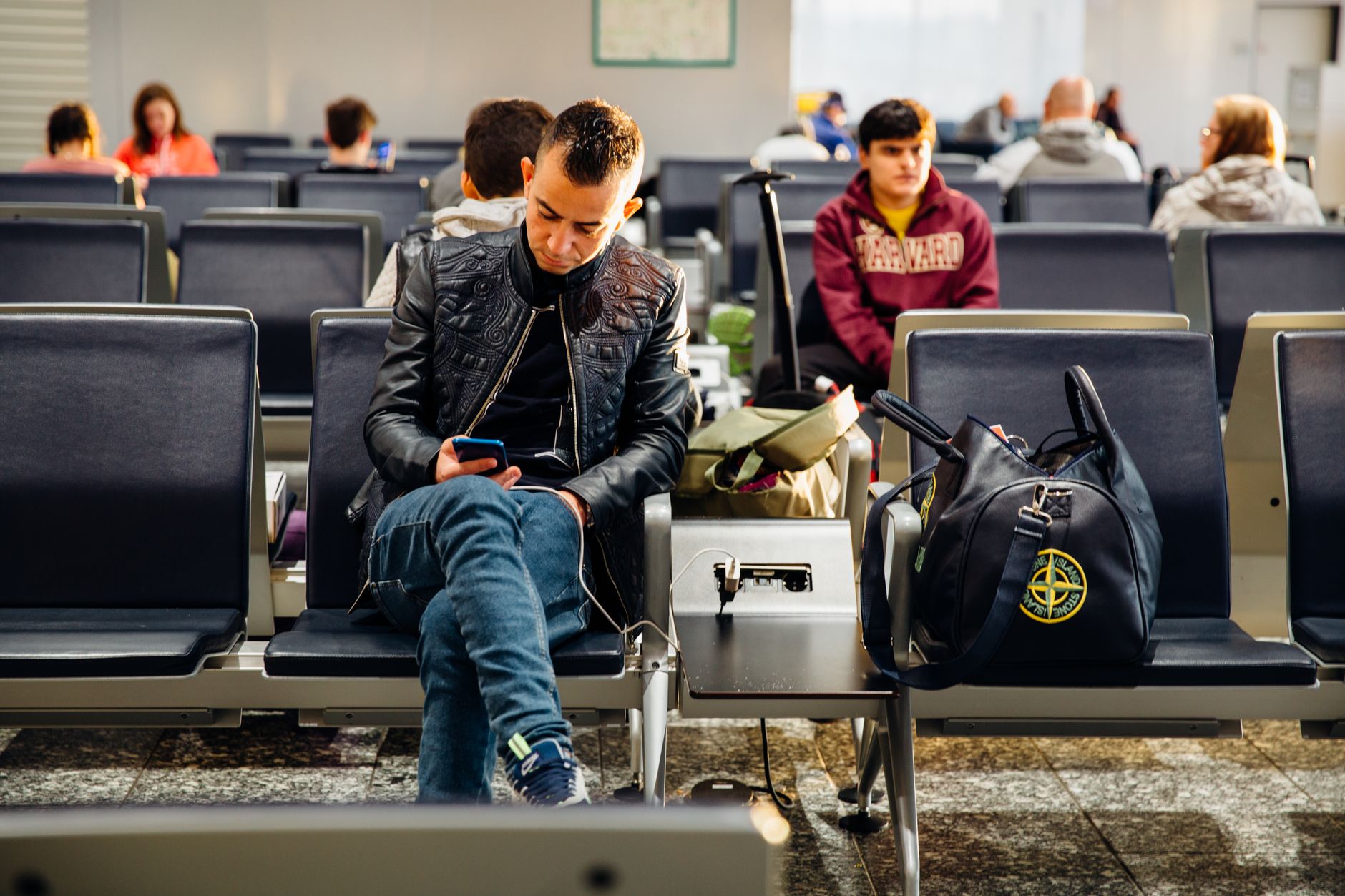
In today's connected world, staying online is no longer a luxury—it's a necessity for navigation, translation, booking, and staying in touch. Yet traditional connectivity methods represent one of travel's biggest hidden costs. This is where modern solutions like eSIM technology transform both the experience and the economics of staying connected abroad.
Traditional roaming charges from home carriers average $10-15 per day for limited data. For a two-week trip, that's $140-210—often for slow speeds and restrictive data caps. Local SIM cards offer better rates but come with their own challenges: finding stores, language barriers, registration requirements, and the hassle of changing cards in each country.
eSIM services solve these problems elegantly. With Saily's eSIM solution, travelers can purchase data plans before departure, activate automatically upon arrival, and enjoy affordable, high-speed internet in multiple countries with a single digital profile. The savings are substantial: typically 50-80% compared to traditional roaming, with the added benefits of easy setup and 24/7 support.
Beyond direct cost savings, reliable connectivity enables other savings:
- Using navigation apps to avoid taxi overcharges
- Comparing prices for activities and dining in real-time
- Free messaging apps instead of expensive international calls
- Accessing digital tickets and reservations without printing
For comprehensive strategies on managing your travel data efficiently, explore our guide on smart travel data management, which covers everything from monitoring usage to optimizing connectivity across multiple devices.
Activity and Entertainment Budget Optimization
Sightseeing, tours, and activities represent both the highlight of travel and a significant expense category. Strategic planning in this area can enhance experiences while reducing costs substantially.
Many destinations offer city passes that bundle multiple attractions at a discounted rate. These passes typically include skip-the-line privileges, saving both money and time. Research shows that travelers using city passes visit 30% more attractions while spending 25% less than those purchasing individual tickets.
Free activities often provide the most memorable experiences:
- Free walking tours (tip-based)
- Public parks and gardens
- Museum free days or hours
- Architectural walking routes
- Local festivals and markets
When paid activities are desired, these strategies maximize value:
- Book directly with providers rather than through hotel concierges (saves 15-30%)
- Consider afternoon or weekday visits when prices may be lower
- Look for combination tickets for related attractions
- Check for online discounts before purchasing at the gate
Shopping and Souvenir Strategies
Shopping while traveling can quickly derail even the most carefully planned budget. The key is distinguishing between meaningful purchases and impulse buys that lose their appeal once you return home.
Set a souvenir budget before departure and stick to it. Consider allocating funds for specific categories: gifts for others, personal mementos, and practical items you'll actually use. Research shows that travelers who set specific shopping budgets spend 35% less than those who don't.
When purchasing, these practices ensure better value:
- Avoid shops immediately near major tourist attractions (prices are typically 30-50% higher)
- Learn basic bargaining phrases in the local language
- Consider shipping larger items rather than paying airline baggage fees
- Focus on unique, locally-made items rather than mass-produced souvenirs
For digital nomads and business travelers, shopping strategies might include purchasing local SIM cards or data packages, though as discussed in our connectivity section, eSIM services typically offer better value and convenience for staying connected across multiple destinations.
Banking and Currency Exchange Efficiency
Financial inefficiencies can silently consume hundreds of dollars during international travel. The average traveler loses 5-8% of their spending budget to poor exchange rates, transaction fees, and ATM charges. With proper planning, these losses can be reduced to 1-2% or eliminated entirely.
Credit card selection is crucial. Cards with no foreign transaction fees save 3% on every purchase. Many premium travel cards also offer additional benefits like travel insurance, lounge access, and bonus points on travel purchases. According to financial travel experts, using the right combination of cards can provide $500+ in value on a two-week international trip.
ATM strategy matters equally. Rather than making multiple small withdrawals (each with its own fee), withdraw larger amounts less frequently. Always choose to be charged in local currency rather than your home currency—this avoids dynamic currency conversion fees of 3-5%.
Consider this comparison of currency exchange methods:
| Method | Typical Fee | Convenience | Best For |
|---|---|---|---|
| Airport Exchange | 10-15% | High | Emergency only |
| Hotel Exchange | 8-12% | High | Small amounts |
| Local Bank | 3-5% | Medium | Large amounts |
| ATM Withdrawal | 2-4% + fixed fee | High | Most situations |
| Credit Card | 0-3% | High | Most purchases |
Insurance and Protection: Necessary Coverage Without Overpaying
Travel insurance represents a balancing act between adequate protection and unnecessary expense. The key is understanding what coverage you already have and what additional protection makes sense for your specific trip.
Many travelers unknowingly duplicate coverage. Check existing policies: your health insurance may include international coverage, your credit card might provide rental car insurance, and your homeowner's policy could cover lost luggage. One survey found that 40% of travelers purchase insurance covering benefits they already have through other means.
When additional insurance is needed, consider these cost-saving approaches:
- Annual policies for frequent travelers (cheaper than multiple single-trip policies)
- Adjusting deductibles to balance premium costs and coverage
- Bundling different types of coverage with the same provider
- Comparing specialized providers versus general travel agencies
For digital nomads and long-term travelers, specialized insurance products often offer better value than traditional travel insurance. These policies typically include coverage for remote work equipment and higher medical limits appropriate for extended stays.
Sustainable Travel: Ethical Choices That Also Save Money
Sustainable travel practices often align perfectly with cost-saving strategies. Choices that reduce environmental impact frequently save money while enhancing the travel experience.
Transportation choices offer the clearest alignment between sustainability and savings. Public transportation, walking, and biking not only reduce carbon emissions but also cost significantly less than private car services. Many cities now offer electric scooter or bike share programs that provide affordable, eco-friendly transportation for short distances.
Accommodation choices similarly intersect. Smaller, locally-owned hotels and guesthouses typically have lower environmental footprints than large chain hotels while offering more authentic experiences at lower prices. Many eco-lodges and sustainable accommodations include activities like guided nature walks or cultural experiences in their rates, providing additional value.
Dining locally and seasonally supports community economies while reducing transportation costs associated with imported foods. Farmers' markets and neighborhood restaurants typically charge 30-50% less than tourist-focused establishments while offering fresher, more authentic cuisine.
Technology Tools for Continuous Savings
The modern traveler has access to an array of digital tools that facilitate continuous savings throughout a trip. These apps and services help identify opportunities, compare options, and manage expenses in real-time.
Expense tracking apps represent one of the most valuable categories. By monitoring spending as it happens, travelers can identify patterns and adjust behavior before small expenses become budget problems. Research indicates that travelers who track expenses daily spend 18% less than those who don't.
Price comparison and alert tools extend beyond initial booking. Apps that monitor flight prices can alert you if a better fare becomes available, often allowing free changes if the price drops significantly. Similar tools exist for accommodations, activities, and even dining.
Connectivity management tools deserve special mention. With the rise of eSIM technology, travelers need solutions for monitoring data usage, switching between profiles for different destinations, and optimizing connectivity costs. Our comprehensive resource on smart travel data management provides detailed strategies for leveraging these tools effectively.
Implementing Your Personalized Cost-Saving Strategy
With all these strategies available, the key is creating a personalized approach that matches your travel style, priorities, and comfort level. Not every strategy will work for every traveler, and attempting to implement too many changes at once can diminish the enjoyment of your trip.
Start by identifying your largest expense categories from previous trips. For most travelers, these will be flights, accommodations, and dining. Focus your initial efforts on these areas where small percentage improvements yield the largest absolute savings.
Create a pre-trip checklist that includes:
- Research and book major expenses 3-4 months in advance
- Arrange connectivity solutions like eSIM activation
- Notify financial institutions of travel plans
- Download essential apps and digital resources
- Create a rough daily budget with flexibility for spontaneity
During your trip, maintain balance between saving and experiencing. The goal isn't to eliminate all spending but to redirect funds from inefficient expenses (like excessive roaming charges) to meaningful experiences (like a special meal or unique activity).
Conclusion: Travel More, Spend Less, Experience More
Cost-saving strategies in international travel have evolved far beyond simple coupon-clipping and sacrifice. Today's traveler has access to tools and approaches that simultaneously reduce expenses, enhance experiences, and simplify logistics. From digital innovations like eSIM technology that eliminate roaming charges to strategic approaches to dining, transportation, and activities, the modern cost-conscious traveler enjoys advantages unimaginable just a decade ago.
The most successful travelers understand that saving money isn't about deprivation—it's about efficiency and intelligence. By redirecting funds from hidden fees and inefficient expenses to meaningful experiences, they travel more frequently, stay longer, and immerse themselves more deeply in their destinations.
As you plan your next international adventure, remember that the greatest cost-saving strategy of all is proper preparation. Invest time in research, leverage modern technology like eSIM services for connectivity, and approach each aspect of your trip with strategic thinking. The result will be more travel, richer experiences, and the satisfaction of knowing you've optimized every dollar spent.
Whether you're a first-time international traveler or a seasoned globetrotter, these strategies will help you explore further, stay connected affordably, and create memories that last a lifetime—all while keeping your budget firmly under control. The world is waiting, and now you're equipped to experience it smarter than ever before.