The Ultimate Guide to Global Traveler Lifestyles: Stay Connected Anywhere
Imagine landing in Tokyo after a 14-hour flight, your phone buzzing with messages from loved ones, your maps app ready to guide you to your hotel, and your social media feeds updating with your first photos abroad—all without a moment of disconnection. This seamless experience defines the modern global traveler lifestyle, where staying connected isn't just a convenience; it's a necessity. In today's hyper-connected world, international travel connectivity has evolved from a luxury to a fundamental aspect of how we explore, work, and live across borders. Whether you're a digital nomad coding from a Bali cafe, a business traveler closing deals in London, or a tourist capturing memories in Paris, reliable mobile data is the invisible thread that ties your journey together.
This comprehensive guide explores every facet of global traveler lifestyles, focusing on how technology—especially travel tech essentials like eSIMs—enables us to maintain our digital lives while embracing physical mobility. We'll dive into the psychology of connected travelers, the tools that power their journeys, and practical strategies for staying online anywhere in the world. By the end, you'll have a complete understanding of how to optimize your travel connectivity, ensuring you never face the anxiety of "no service" again.
Understanding the Modern Global Traveler
Global travelers today are a diverse group united by their reliance on technology. According to a 2023 study by the Global Business Travel Association, 89% of business travelers consider reliable internet access more important than hotel amenities. Meanwhile, leisure travelers report spending an average of 3.2 hours daily online during trips, using data for navigation, translation, booking, and social sharing. This dependence has created distinct traveler archetypes, each with unique connectivity needs.
Digital nomads represent perhaps the most data-dependent group, often working remotely while traveling. They require stable, high-speed connections for video calls, file transfers, and cloud-based tools. Business travelers need secure, consistent access for emails, corporate systems, and virtual meetings. Tourists prioritize affordability and ease of use, seeking data primarily for maps, translation apps, and social media. Adventure travelers in remote areas face the biggest challenges, often needing specialized solutions for off-grid connectivity.
What all these travelers share is the expectation of seamlessness. The modern traveler doesn't want to think about connectivity; they expect it to work as automatically as their home network. This expectation drives innovation in travel tech essentials, particularly in the eSIM space where companies like Saily are eliminating traditional pain points like high roaming costs and complicated SIM card swaps.
The Evolution of Travel Connectivity
Travel connectivity has undergone a remarkable transformation. Just a decade ago, international travelers faced limited options: expensive roaming plans, local SIM cards requiring registration and physical stores, or reliance on unpredictable Wi-Fi hotspots. Each solution came with significant drawbacks. Roaming costs could easily exceed $10 per megabyte, resulting in bill shocks reaching thousands of dollars. Local SIMs required time-consuming purchases, often with language barriers and documentation requirements. Wi-Fi hotspots posed security risks and inconsistent availability.
The introduction of eSIM technology marked a turning point. Unlike physical SIM cards, eSIMs are embedded digital profiles that can be activated remotely. This innovation enabled several breakthroughs: instant activation upon arrival, the ability to switch between carriers without changing hardware, and support for multiple profiles on a single device. For global travelers, this meant finally having a practical solution for staying connected across multiple countries without the hassle of physical SIM cards.
Today's connectivity landscape offers layered solutions. eSIMs provide the primary mobile data layer, complemented by portable Wi-Fi devices for group sharing, satellite messengers for extreme remote areas, and international plans from traditional carriers. The key advancement is flexibility—travelers can now mix and match solutions based on their specific itinerary, duration, and data needs rather than accepting one-size-fits-all approaches.
Essential Travel Tech for Staying Connected
Building a reliable travel tech kit requires understanding both hardware and software components. The foundation is a compatible device—most modern smartphones, tablets, and laptops support eSIM technology, though it's essential to verify compatibility before traveling. Beyond the device itself, several tools enhance connectivity and user experience.
Power management is critical, as connectivity drains batteries quickly. High-capacity power banks (20,000mAh or more) ensure devices stay charged throughout long travel days. Universal adapters with multiple USB ports allow charging several devices simultaneously from foreign outlets. For those venturing off-grid, solar-powered chargers provide renewable energy sources.
On the software side, VPNs (Virtual Private Networks) are non-negotiable for security, especially when using public Wi-Fi. They encrypt data transmissions, protecting sensitive information like banking details and passwords. Data monitoring apps help track usage against plan limits, preventing unexpected overages. Offline mapping applications like Maps.me or Google Maps' offline features provide navigation without data consumption.
Here's a comparison of essential travel tech categories:
| Tech Category | Primary Purpose | Key Features | Ideal For |
|---|---|---|---|
| eSIM Service | Mobile data abroad | Instant activation, multi-country coverage, no physical SIM | All travelers needing reliable cellular data |
| Portable Wi-Fi | Group/high-speed access | Connect multiple devices, longer battery life, local speeds | Families, business groups, digital nomads |
| VPN | Security on public networks | Encryption, server locations, no-log policies | Anyone using public Wi-Fi, especially with sensitive data |
| Power Bank | Device charging on go | Capacity (mAh), number of ports, fast charging | Long travel days, limited outlet access |
| Satellite Messenger | Emergency communication | SOS functionality, basic messaging, GPS tracking | Adventure travelers, remote destinations |
A concrete example illustrates how these pieces fit together: Sarah, a freelance graphic designer traveling through Southeast Asia for three months. She uses a Saily eSIM for primary data across Thailand, Vietnam, and Indonesia, carrying a 26,800mAh power bank for her laptop and phone. Her VPN runs constantly on both devices when using cafe Wi-Fi for large file transfers. For a weekend trek in northern Thailand, she rents a satellite messenger for emergency coverage. This layered approach gives her professional-grade connectivity while maintaining safety and budget awareness.
eSIM Technology: Revolutionizing Travel Connectivity
eSIM technology represents the most significant advancement in international travel connectivity since the smartphone itself. Unlike traditional SIM cards that require physical handling, eSIMs are digital profiles downloaded directly to compatible devices. This seemingly simple difference enables transformative benefits for global travelers.
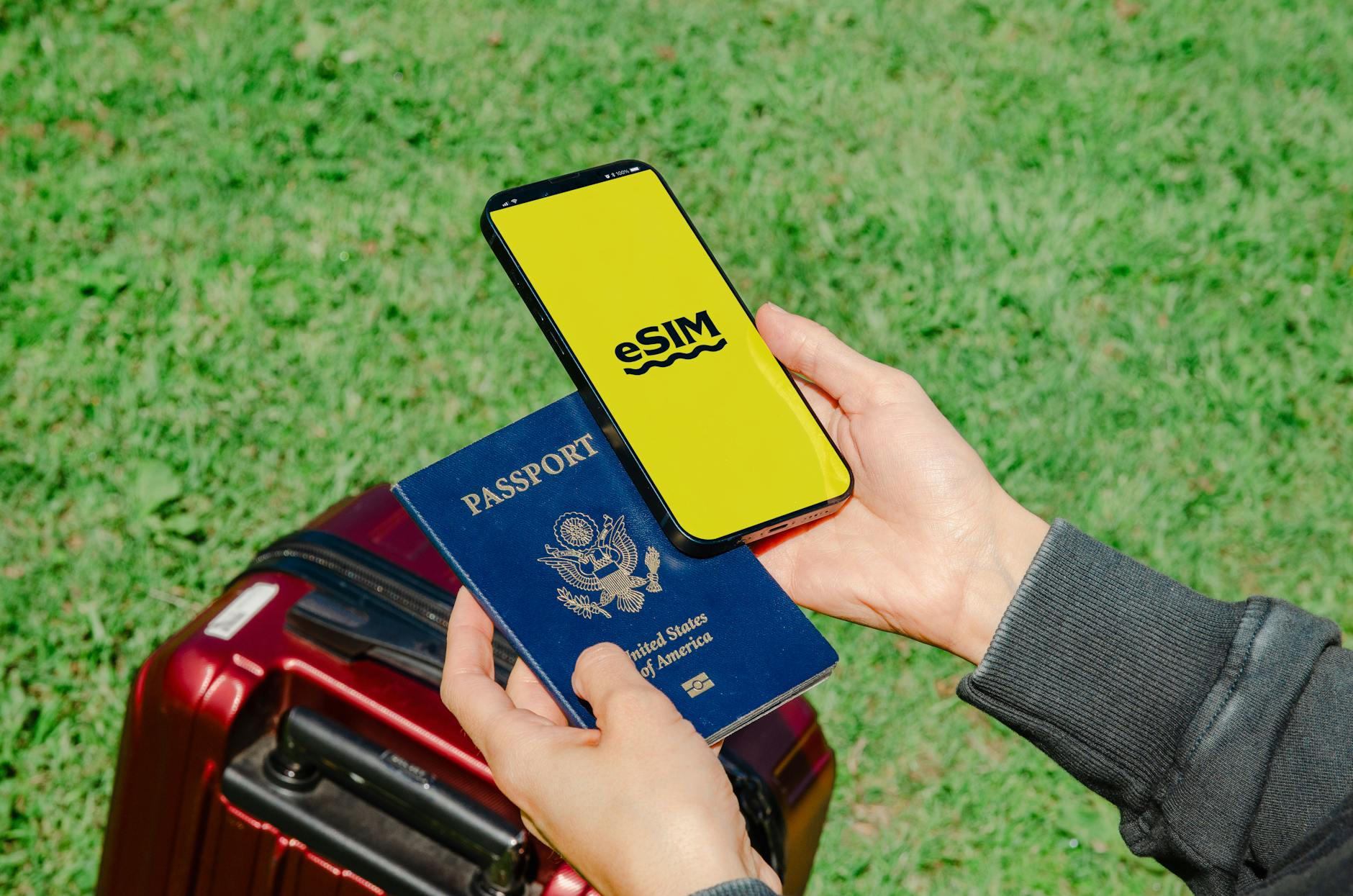
The setup process demonstrates the convenience: travelers purchase an eSIM plan before departure, receive a QR code via email, scan it with their device's camera, and follow prompts to install the digital profile. The eSIM activates automatically upon arrival in the destination country, often before the traveler even leaves the airport. No more searching for carrier stores, dealing with language barriers, or worrying about SIM card sizes.
For multi-destination trips, eSIMs offer particular advantages. Providers like Saily offer regional and global plans covering dozens of countries with a single purchase. This eliminates the need to buy separate SIMs in each country or pay exorbitant roaming fees when crossing borders. The traveler maintains one phone number for authentication purposes while using local data rates in each location.
Security features represent another major benefit. eSIMs can't be physically lost or stolen like traditional SIM cards. Remote management capabilities allow providers to push security updates and troubleshoot issues without physical access. For business travelers handling sensitive information, this digital approach reduces risks associated with physical SIM cards that could be duplicated or intercepted.
Compatibility continues to expand. While initially limited to newer smartphone models, eSIM support now extends to tablets, laptops, smartwatches, and even some IoT devices. This expansion enables truly seamless ecosystems where all a traveler's devices share the same connectivity profile, automatically switching to the strongest available signal.
Choosing the Right International Data Plan
Selecting an international data plan requires balancing several factors: destination coverage, data allowances, speed requirements, and budget. The proliferation of options—from traditional carrier roaming to local SIMs to eSIM providers—creates both opportunity and analysis paralysis for travelers.
Traditional carrier roaming plans, offered by home country providers, provide convenience but at premium prices. They're best suited for short trips where simplicity outweighs cost considerations. Local SIM cards purchased at destinations offer better value but require time and effort to acquire, often with registration hurdles in certain countries. They work well for extended single-country stays.
eSIM providers like Saily, Airalo, and Holafly occupy the middle ground, offering better value than carrier roaming with greater convenience than local SIMs. Their plans typically fall into three categories: single-country (for focused itineraries), regional (like Europe or Southeast Asia), and global (covering most countries worldwide). Data allowances range from 1GB for light users to unlimited plans for data-intensive activities.
When evaluating plans, consider these key metrics:
- Coverage maps: Verify specific countries and networks included
- Data speeds: Some plans throttle after certain usage levels
- Validity period: How long the plan remains active after activation
- Top-up options: Ability to add more data if needed
- Support availability: 24/7 assistance for troubleshooting
For most travelers, regional eSIM plans offer the optimal balance. A 10GB European plan covering 30+ countries typically costs $30-50, compared to $10/day ($300/month) for many carrier roaming plans. The savings become particularly dramatic for longer trips or multiple destinations. Digital nomads might prefer global plans with higher data allowances, while occasional tourists could opt for smaller single-country plans.
Digital Nomad Lifestyle: Connectivity as Career Enabler
The digital nomad movement has transformed from niche experiment to mainstream lifestyle, with an estimated 35 million people worldwide working remotely while traveling. For these professionals, international travel connectivity isn't just about staying in touch—it's the foundation of their livelihood. Unreliable internet means missed deadlines, dropped client calls, and potentially lost income.
Successful digital nomads approach connectivity with professional rigor. They research connectivity options before booking accommodations, often contacting hosts specifically about internet speed test results. They carry backup solutions like multiple eSIM profiles from different providers or portable Wi-Fi devices. Their daily routines include connectivity checks at new locations and scheduled data-intensive tasks during off-peak hours when networks are less congested.
Workspace selection reflects this connectivity-first mindset. While picturesque cafes make appealing backgrounds for social media, experienced nomads prioritize locations with verified high-speed internet, adequate power outlets, and comfortable seating for extended work sessions. Many use platforms like Nomad List or digital nomad Facebook groups to crowdsource connectivity information about specific cities and neighborhoods.
Productivity tools specifically designed for variable connectivity have emerged to support this lifestyle. Apps like TripMode automatically block non-essential background data usage when on metered connections. Cloud-based collaboration tools with offline functionality allow work to continue during temporary disconnections. Automatic backup systems ensure work isn't lost during connectivity drops.
The economic impact of reliable connectivity for digital nomads is substantial. A 2023 Digital Nomad Association survey found that 72% of nomads would pay 20% more for accommodations with guaranteed high-speed internet. They estimate connectivity issues cost the average nomad 8-12 productive hours monthly, representing significant income potential. This willingness to invest in quality connectivity drives innovation in travel tech essentials, particularly in the eSIM market where providers compete on reliability and coverage.
Business Travel Connectivity: Security and Reliability
Business travelers face unique connectivity challenges that balance convenience with corporate security requirements. Unlike leisure travelers who might tolerate occasional disconnections, business professionals need guaranteed access for time-sensitive communications, virtual meetings, and cloud-based enterprise systems. Simultaneously, they must protect sensitive company data from potential threats on public networks.
Corporate travel policies increasingly mandate specific connectivity solutions. Many organizations now provide company-managed eSIMs for international travel, ensuring employees have reliable data while maintaining security protocols. These managed solutions typically include mandatory VPN connections, data usage monitoring, and centralized billing. They represent a shift from the previous model where employees either used expensive carrier roaming or purchased local SIMs with minimal oversight.
Security considerations dominate business travel connectivity decisions. Public Wi-Fi networks in airports, hotels, and conference centers present significant risks, with hackers often targeting these hotspots to intercept data. eSIM technology enhances security through several mechanisms: encrypted provisioning, remote management capabilities, and the elimination of physical SIM cards that could be duplicated. When combined with enterprise-grade VPNs, eSIMs create a secure tunnel for all data transmissions regardless of the underlying network.
Reliability metrics matter more for business travelers than cost considerations. Dropped video calls during important negotiations or inability to access cloud documents before a presentation can have substantial business consequences. Leading eSIM providers address this through network redundancy—partnering with multiple local carriers in each destination to ensure coverage even if one network experiences issues. 24/7 support becomes essential for troubleshooting problems across time zones.
A mini-case demonstrates these principles: TechForward Inc., a software company with frequent international travel, implemented a Saily eSIM program for all employees. The program reduced connectivity costs by 65% compared to previous carrier roaming plans while improving security through mandatory VPN use. Employees reported 40% fewer connectivity issues during trips, and the finance department appreciated consolidated billing with detailed usage reports. Most importantly, the IT department gained visibility into international data usage patterns and could quickly address potential security concerns.
Budget Traveler Strategies for Affordable Connectivity
Cost-conscious travelers have more options than ever for staying connected without breaking the bank. The key is understanding the trade-offs between different approaches and matching solutions to specific travel patterns. While premium solutions offer maximum convenience, budget alternatives provide substantial savings with slightly more planning effort.
The most economical approach combines free Wi-Fi with minimal cellular data. Many travelers successfully use this method by downloading maps, translation databases, and entertainment content before departure, then relying on Wi-Fi at accommodations, cafes, and public spaces. Offline-capable apps like Google Maps (with pre-downloaded areas), Spotify (with downloaded playlists), and translation apps with offline databases make this approach increasingly practical. The main limitation is the inability to access real-time information or communicate when away from Wi-Fi hotspots.
For basic cellular access, local SIM cards often provide the lowest cost per gigabyte, particularly in countries with competitive telecom markets. In Southeast Asia, for example, 30-day plans with 10-20GB of data frequently cost under $10. The challenges include finding reputable vendors, navigating registration requirements (which in some countries mandate passport copies), and ensuring device compatibility. This approach works best for extended stays in single countries or regions with cross-border agreements.
eSIM providers offer budget-friendly options between these extremes. Many offer small data packages (1-3GB) for short trips at prices competitive with local SIMs but with far greater convenience. Look for providers with flexible top-up options that allow purchasing minimal initial data with the ability to add more if needed. This prevents paying for unused data while ensuring availability when required.
Here are specific budget strategies for different traveler types:
- Weekend travelers: Purchase a 1GB eSIM plan covering your destination
- Backpackers on extended trips: Use local SIMs in each country combined with Wi-Fi reliance
- City hoppers: Regional eSIM plans covering multiple countries
- Group travelers: Share a portable Wi-Fi device with split costs
Regardless of approach, data conservation techniques multiply savings. Enable data saver modes on devices, restrict background data for non-essential apps, use offline maps whenever possible, and download content over Wi-Fi rather than streaming on cellular. These habits can reduce data consumption by 50-70%, effectively doubling the value of any data plan.
Family Travel Connectivity: Keeping Everyone Online
Family travel introduces unique connectivity challenges with multiple devices, varying needs, and budget considerations that scale with family size. Parents need reliable navigation and communication, teenagers demand social media and streaming access, and younger children may require entertainment during transit. Meeting these diverse needs requires strategic planning beyond individual traveler solutions.
The most common family approach is a shared connectivity hub. Portable Wi-Fi devices (often called "pocket Wi-Fi" or "mobile hotspots") allow 5-10 devices to connect simultaneously to a single cellular data source. These devices are particularly cost-effective for families, as the data cost is fixed regardless of how many devices use it. They're available for rent at many airports or for purchase from specialized providers, with daily rates typically between $5-15 depending on the destination and data allowance.
eSIM technology offers an alternative for families with multiple compatible devices. Parents can purchase a single multi-country eSIM plan and use their smartphone's hotspot feature to share connectivity with other family devices. This approach leverages the typically larger data allowances of smartphone plans while maintaining the convenience of eSIM activation. The limitation is that the host device must remain with the family group and adequately charged to provide the hotspot.
Device management becomes crucial for family travel. Parental controls help manage children's data usage and screen time while abroad. Setting data limits per device prevents one family member from consuming the entire allocation. Establishing "connectivity schedules"—such as limiting streaming to Wi-Fi times at accommodations—helps balance needs with data conservation.
Entertainment planning reduces data demands significantly. Downloading movies, TV shows, games, and music before departure provides hours of entertainment without cellular data usage. Many streaming services now offer robust download features for premium subscribers. Educational apps with offline functionality keep children engaged during travel without constant data consumption.
A practical example: The Chen family traveling to Europe for two weeks. They rent a portable Wi-Fi device at Paris airport with unlimited data for $12/day. This connects both parents' phones (for navigation and communication), two tablets (for children's entertainment), and a laptop (for occasional work needs). They supplement with free Wi-Fi at hotels and restaurants. Total connectivity cost: $168 for the trip, compared to approximately $420 if each family member used individual carrier roaming plans. The shared device also simplifies management with a single point of control for the parents.
Adventure and Remote Travel Connectivity
Adventure travelers venturing beyond urban centers face the most significant connectivity challenges. Whether hiking mountain trails, sailing between islands, or exploring deserts, these environments often lack cellular infrastructure entirely. Traditional connectivity solutions fail in these contexts, requiring specialized approaches that balance communication needs with weight, power, and reliability considerations.
Satellite communication devices represent the gold standard for remote travel safety. Products like Garmin inReach or SPOT devices provide two-way messaging and SOS functionality via satellite networks, working anywhere with open sky views. While not suitable for high-bandwidth activities like streaming or video calls, they enable basic communication and emergency signaling when far beyond cellular range. Many adventure travelers carry these as insurance policies, hoping never to need the SOS feature but valuing its availability.
For less extreme remote travel where cellular coverage exists but is spotty, signal-boosting equipment can extend range. Portable antenna systems that connect to smartphones can improve reception in marginal areas. These are particularly useful for travelers in vehicles or base camps who need occasional connectivity rather than continuous access. The trade-off is additional weight and setup complexity.
eSIM technology supports adventure travel through multi-network roaming capabilities. In remote regions where only one carrier might have coverage, eSIMs that partner with multiple local providers increase the chances of finding a signal. Some adventure-focused eSIM providers specifically optimize for coverage in national parks, mountain regions, and coastal areas rather than just urban centers.
Data conservation becomes critical in remote contexts where connectivity is limited and precious. Travelers should master offline functionality for all essential apps: downloading detailed topographic maps, translating essential phrases, identifying flora/fauna, and accessing first-aid information without data. Satellite imagery in mapping apps should be pre-downloaded for the entire planned route since these files are too large for slow remote connections.
Power management intersects with connectivity in remote environments. Solar chargers extend device operation where electrical outlets are unavailable. Low-power modes on devices preserve battery for essential communications. Some satellite messengers operate for weeks on single charges by limiting transmission frequency and using efficient power-saving states.
The mindset shift for remote travel connectivity involves accepting limitations rather than expecting urban-level access. Successful adventurers plan communications around expected connectivity windows—sending batch messages when in range rather than expecting continuous conversation. They inform contacts of expected blackout periods to manage expectations. Most importantly, they embrace the digital disconnection as part of the adventure experience while maintaining critical safety communications.
Future Trends in Travel Connectivity
The travel connectivity landscape continues evolving rapidly, with several emerging trends poised to further transform global traveler lifestyles. Understanding these developments helps travelers make future-proof decisions and anticipate coming improvements in their connected travel experiences.
5G expansion represents the most immediate trend affecting international travelers. While 5G networks initially focused on domestic markets, international roaming agreements now extend 5G access to travelers in compatible destinations. The benefits include dramatically faster speeds (potentially 10-100x improvement over 4G), lower latency for real-time applications, and increased network capacity in crowded areas like airports and tourist attractions. For travelers, this means higher-quality video calls, faster large file transfers, and smoother cloud application performance. eSIM providers are rapidly adding 5G support to their plans, though coverage remains limited to major urban centers in technologically advanced countries.
Satellite-to-smartphone connectivity marks a potentially revolutionary development. Companies like SpaceX (Starlink), Apple (Emergency SOS via satellite), and various Android manufacturers are developing direct satellite communication capabilities in consumer smartphones. While initially focused on emergency messaging, the technology could evolve to provide basic data services in completely remote areas. This would effectively eliminate connectivity dead zones, though likely at premium pricing for non-emergency use.
Artificial intelligence integration promises to simplify connectivity management. AI-powered apps could automatically select optimal networks based on location, time of day, and usage patterns. They might predict data needs and suggest plan upgrades before travelers exceed limits. For multi-device travelers, AI could dynamically allocate bandwidth based on priority tasks—ensuring video calls receive sufficient bandwidth while limiting background updates.
Blockchain and decentralized networks offer intriguing possibilities for travel connectivity. Peer-to-peer mesh networks could allow travelers to share excess data capacity securely. Smart contracts could automate international data purchases at optimal rates. Digital identity solutions built on blockchain could simplify the registration processes that currently complicate local SIM purchases in many countries.
Sustainability considerations are increasingly influencing connectivity choices. Travelers show growing preference for digital solutions that reduce physical waste—like eSIMs eliminating plastic SIM cards and packaging. Network operators are implementing energy-efficient technologies that reduce the carbon footprint of data transmission. Some providers now offer carbon-offset options with connectivity purchases, appealing to environmentally conscious travelers.
These trends collectively point toward a future where international travel connectivity becomes increasingly seamless, intelligent, and integrated into the travel experience itself. The distinction between "connected" and "disconnected" states will blur as technology provides appropriate connectivity for each context—high-speed urban access when needed, basic satellite messaging when remote, and intelligent transitions between states based on location and activity.
Implementing Your Perfect Travel Connectivity System
Creating an optimal travel connectivity system requires assessing your specific travel patterns, needs, and preferences. Rather than seeking a one-size-fits-all solution, the most successful travelers develop personalized approaches that evolve with their experiences. This implementation guide provides a framework for building your system regardless of travel frequency or style.
Begin with a connectivity audit of your recent trips. Note where you experienced issues: Was connectivity unreliable in certain destinations? Did you frequently exceed data limits? Were there security concerns with available networks? Did costs surprise you? This audit identifies pain points to address in your new system.
Next, categorize your upcoming travel by type. Business trips prioritize reliability and security over cost. Leisure travel might emphasize convenience and simplicity. Extended travel or digital nomadism requires cost-effectiveness and flexibility. Adventure travel needs safety communications above all else. Each category suggests different optimal solutions.
Build your core toolkit around an eSIM provider that matches your most common travel pattern. For frequent multi-destination travelers, choose a provider with strong regional or global coverage like Saily. For mostly single-destination trips, prioritize providers with deep partnerships in your most visited regions. Ensure your primary devices support eSIM technology—if not, consider upgrading as part of your connectivity investment.
Layer supplementary solutions based on specific trip needs. A portable Wi-Fi device for family travel. A satellite messenger for remote adventures. A local SIM as backup for extended single-country stays. A VPN for all trips involving public Wi-Fi use. The goal isn't to carry every possible solution but to have the right combination for each itinerary.
Develop pre-travel and on-travel routines. Before departure: research connectivity options at your destination, purchase and install eSIM profiles, download offline content, configure data-saving settings. During travel: monitor data usage against plan limits, test connectivity at new locations, maintain backup power sources, use secure connections for sensitive activities.
Continuously optimize based on experience. After each trip, note what worked well and what didn't. Adjust your approach for future travel—perhaps trying a different eSIM provider for certain regions, or discovering that you need less data than previously purchased. The connectivity landscape evolves rapidly, so staying informed about new options ensures your system remains optimal.
Remember that the perfect system balances preparation with flexibility. Over-engineering connectivity can create its own stress—carrying multiple backup devices, constantly monitoring usage, fearing disconnection. The ultimate goal is reliable connectivity that enhances rather than distracts from your travel experience. When implemented well, your connectivity system becomes an invisible enabler, working seamlessly in the background while you focus on the people, places, and experiences that make travel meaningful.
Conclusion: The Connected Traveler's Advantage
Global traveler lifestyles have been fundamentally transformed by advances in international travel connectivity. What was once a constant source of stress—finding payphones, buying phone cards, deciphering foreign telecom systems—has evolved into a seamless experience where staying connected abroad often works better than at home. This transformation enables deeper cultural immersion, safer travel experiences, and maintenance of important relationships across distances.
The travel tech essentials discussed throughout this guide—particularly eSIM technology—democratize reliable connectivity. No longer reserved for business travelers with corporate budgets, affordable global data access now supports students studying abroad, families visiting relatives overseas, retirees exploring long-dreamed destinations, and everyone between. This accessibility fuels the continued growth of global mobility across all demographics.
Looking forward, the trajectory points toward even greater integration. Connectivity is becoming less a separate consideration and more an embedded aspect of the travel experience itself—like transportation or accommodation. The distinction between "travel connectivity" and "normal connectivity" will continue fading as solutions like eSIMs make international data access as straightforward as domestic service.
For individual travelers, the opportunity has never been better to design a personalized connectivity approach that matches specific needs and preferences. Whether prioritizing cost, convenience, coverage, or speed, solutions exist across the spectrum. The key is understanding the options, experimenting with different approaches, and refining your system based on actual travel experiences.
Ultimately, the goal isn't being constantly connected for its own sake, but having the right kind of connection at the right time. Sometimes that means high-speed video calls with colleagues or family back home. Other times it means basic messaging capability for safety in remote areas. Often it means just enough connectivity for navigation and translation while otherwise being present in your surroundings. The modern global traveler's advantage is having the tools to choose appropriately for each moment of the journey.
As you plan your next international adventure, let connectivity be an enabler rather than a concern. With the strategies and solutions outlined here, you can confidently stay connected anywhere in the world—freeing your attention for the experiences that make travel truly transformative.