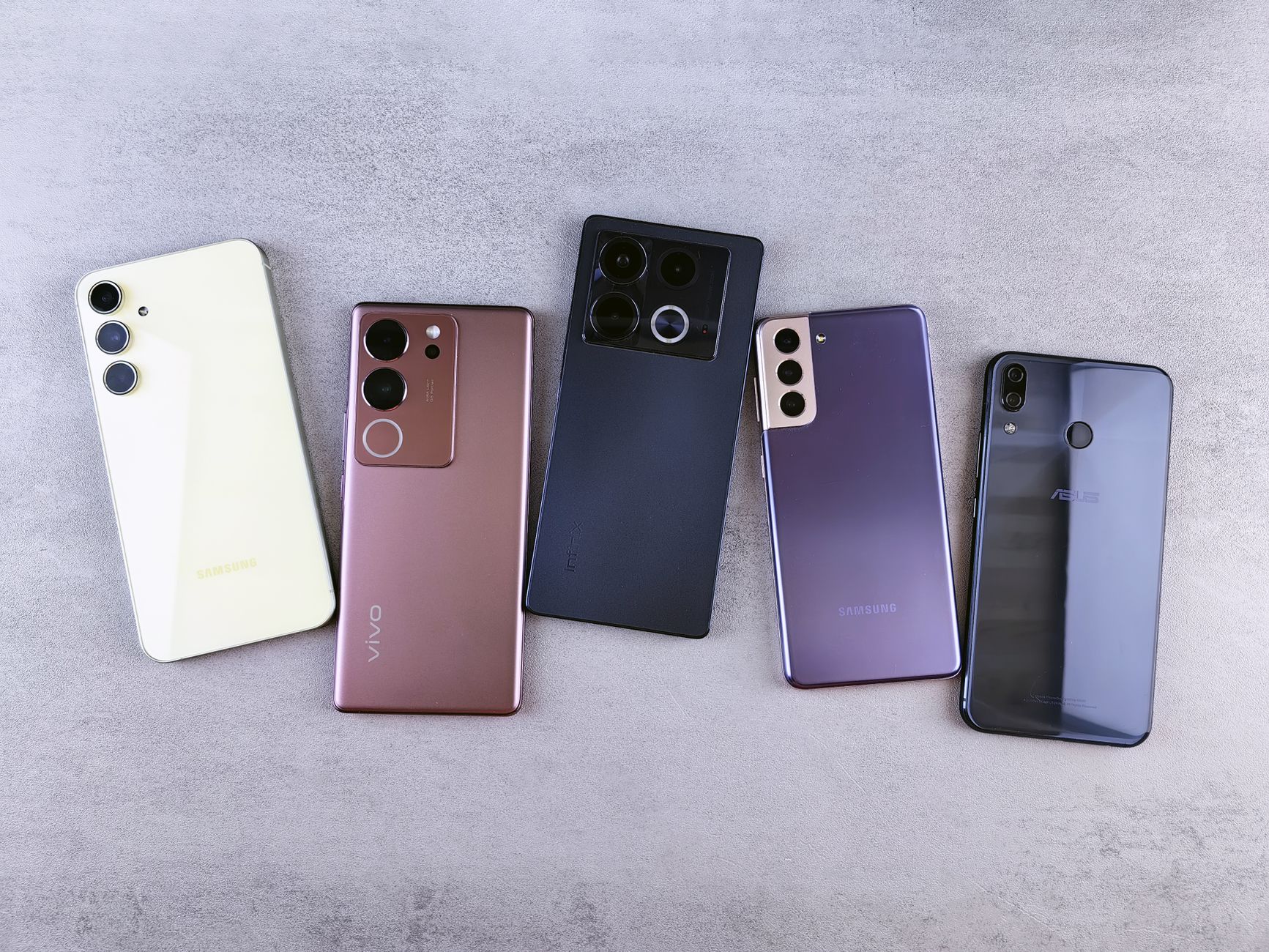
Phone Compatibility: Does Your Device Support eSIM?
Imagine landing in a new country, excited to explore, only to realize your phone can't connect to the internet. For international travelers, staying connected is non-negotiable. Enter eSIM technology—a digital SIM that lets you activate a data plan without a physical card. But before you can enjoy the benefits of services like Saily, which offers affordable, flexible data plans for travelers, you need to answer one crucial question: Is your phone eSIM compatible?
This comprehensive guide is your definitive resource on eSIM compatibility. We'll cover everything from what eSIMs are and how they work to detailed lists of compatible devices, step-by-step checks, and future trends. Whether you're a tourist, business traveler, or digital nomad, understanding eSIM compatibility ensures you can avoid roaming costs, enjoy easy setup, and stay connected with security features abroad. Let's dive in and make sure your device is ready for the world.
What is an eSIM and How Does It Work?
An eSIM, or embedded SIM, is a digital SIM card built directly into your device. Unlike traditional physical SIMs, it doesn't require swapping cards or visiting a store. Instead, you can download and activate a data plan remotely, often with just a QR code scan. This technology is revolutionizing mobile connectivity, especially for travelers who need quick, flexible access to data abroad.
How does it work? The eSIM is a small chip embedded in your phone's hardware, programmed to store multiple operator profiles. You can switch between profiles without changing the physical SIM, making it ideal for using local data plans while traveling. For example, with Saily, you can activate an eSIM plan for multiple destinations through a simple app setup, avoiding the hassle of buying local SIM cards. The process is secure, with encryption protecting your data, and it supports features like automatic activation and data usage notifications to keep you in control.
Why is eSIM compatibility important? Without it, you can't take advantage of these benefits. As eSIM adoption grows—driven by its convenience and cost savings—ensuring your device supports it is key to a stress-free travel experience. In the next sections, we'll explore how to check compatibility and which devices make the cut.
Why eSIM Compatibility Matters for Travelers
For international travelers, eSIM compatibility isn't just a technical detail—it's a game-changer. Here's why it matters:
- Avoid Roaming Costs: Traditional roaming can lead to shockingly high bills. With an eSIM-compatible phone, you can use local data plans from providers like Saily, which offer affordable rates compared to carrier roaming fees. This can save you hundreds of dollars on a single trip.
- Easy Setup: No more hunting for SIM card vendors at airports. eSIM activation is often done online, with plans ready to use upon arrival. Saily's setup, for instance, involves scanning a QR code or using an app, making it seamless for travelers on the go.
- Flexibility: eSIMs allow you to store multiple profiles, so you can switch between personal and travel data plans without swapping cards. This is perfect for digital nomads or business travelers who visit multiple countries.
- Security: eSIM technology includes enhanced security features, reducing the risk of SIM swapping fraud. With Saily, you also get 24/7 live chat support to address any issues, ensuring peace of mind abroad.
A mini-case: Sarah, a frequent traveler, used to rely on physical SIMs. After upgrading to an eSIM-compatible iPhone, she switched to Saily for a trip to Europe. She activated a plan covering three countries, avoided roaming fees, and had internet access within minutes of landing. Her experience highlights how compatibility transforms travel connectivity.
Statistics show that eSIM adoption is rising, with over 1 billion eSIM-enabled devices expected by 2025. For travelers, this means more options and better deals. By ensuring your phone is compatible, you unlock these advantages and join the growing trend toward digital connectivity.
How to Check if Your Phone Supports eSIM
Checking eSIM compatibility is straightforward, but it varies by device. Here's a step-by-step guide to help you determine if your phone can use an eSIM:
- Check Your Device Model: Start by identifying your phone's exact model number. You can find this in the settings menu (e.g., on iPhones, go to Settings > General > About). Compare it to lists of eSIM-compatible devices, which we'll cover in the next section.
- Look in Your Phone Settings: Many devices have a built-in option to check eSIM support. On iPhones, go to Settings > Cellular > Add Cellular Plan. If you see an option to "Add eSIM," your device is compatible. On Android, check under Settings > Network & Internet > Mobile Network for eSIM or digital SIM options.
- Use Online Tools: Some eSIM providers, including Saily, offer compatibility checkers on their websites. Enter your device model, and the tool will confirm if it supports eSIM. This is a quick way to get a definitive answer.
- Consult Your Carrier: If you bought your phone from a carrier, contact them to inquire about eSIM support. They can often provide details and help with activation.
- Check Manufacturer Specifications: Visit the manufacturer's website (e.g., Apple, Samsung) and look up your device's specs. They typically list eSIM support under connectivity features.
If your phone isn't compatible, don't worry—we'll discuss alternatives later. For now, focus on these checks to confirm your status. Remember, compatibility is essential for accessing services like Saily, which rely on eSIM technology to deliver flexible data plans and 24/7 support.
List of eSIM Compatible Phones by Brand
To make it easy, here's a comprehensive table of eSIM-compatible phones by major brand. This list covers popular models as of recent years, but always double-check with your specific device, as support can vary by region and carrier.
| Brand | Model Series | Notable Compatible Models | Notes |
|---|---|---|---|
| Apple | iPhone | iPhone XS, XR, 11, 12, 13, 14, 15 series, iPhone SE (2nd & 3rd gen) | Most iPhones from 2018 onward support eSIM; some models support dual eSIM. |
| Samsung | Galaxy | Galaxy S20 series and later, Galaxy Z Fold/Flip series, Galaxy Note 20 series | Compatibility may depend on region; check with carrier. |
| Pixel | Pixel 3 and later (Pixel 3, 4, 5, 6, 7, 8 series) | All recent Pixels have strong eSIM support. | |
| Motorola | Razr, Edge | Moto Razr (2019), Moto Edge+ (2020 and later) | Limited models; verify with specifications. |
| Huawei | P, Mate | P40 series, Mate 40 series (may have restrictions) | Support can be limited due to regional policies. |
| Other Brands | Various | Sony Xperia 10 III and later, Oppo Find X3 Pro, Nokia XR20 | Check individual models as eSIM adoption grows. |
This table provides a quick reference, but for the most accurate information, use the checking methods from the previous section. As eSIM technology evolves, more devices are becoming compatible, making it easier for travelers to access services like Saily. If your phone isn't listed, it might still support eSIM—always verify with your manufacturer or provider.
Expert insight: According to industry reports, over 200 smartphone models now support eSIM, with adoption accelerating in mid-range devices. This trend means more travelers can benefit from affordable data plans without upgrading to flagship phones.
eSIM Compatibility for iPhones
iPhones have been at the forefront of eSIM adoption, with broad compatibility across recent models. Here's what you need to know about eSIM support on Apple devices:
Apple introduced eSIM support with the iPhone XS and XR in 2018. Since then, most iPhones have included eSIM capabilities, often alongside a physical SIM slot. This dual-SIM functionality allows users to have two active lines—perfect for keeping a home number while using a travel data plan from Saily. For example, the iPhone 14 series in the U.S. even removed the physical SIM tray, relying entirely on eSIM, highlighting Apple's commitment to this technology.
To check if your iPhone supports eSIM, go to Settings > Cellular > Add Cellular Plan. If you see an option to add an eSIM, your device is compatible. Activation typically involves scanning a QR code provided by your eSIM provider. With Saily, the process is streamlined through their app, offering 24/7 support if you encounter issues.
Key takeaways for iPhone users:
- Most iPhones from 2018 onward are eSIM-compatible.
- You can use multiple eSIM profiles, but only two can be active at once.
- eSIMs work globally, but check regional restrictions with your provider.
- For travelers, this means easy access to affordable data plans without swapping SIMs.
If you're planning a trip and use an iPhone, eSIM compatibility ensures you can leverage Saily's benefits, such as avoiding roaming costs and enjoying flexible plans. For more details on setting up an eSIM on your iPhone, check out our guide on eSIM activation steps.
eSIM Compatibility for Android Phones
Android phones offer diverse eSIM support, with compatibility varying by brand and model. Unlike iPhones, where support is more uniform, Android devices require careful checking. Here's a breakdown of eSIM compatibility for Android users:
Major Android brands like Samsung, Google Pixel, and Motorola have embraced eSIM technology in their flagship and mid-range models. For instance, Samsung Galaxy S20 and later series generally support eSIM, but it may depend on the region and carrier. Google Pixel phones have been eSIM-compatible since the Pixel 3, making them a popular choice for travelers. To check on an Android device, navigate to Settings > Network & Internet > Mobile Network and look for "Add eSIM" or similar options.
Activation on Android often involves downloading a profile from your provider. With Saily, you can do this via their app, which guides you through the process with friendly support. The flexibility of eSIMs on Android allows for multiple profiles, so you can switch between data plans for different destinations seamlessly.
Challenges and considerations:
- Not all Android phones support eSIM—older or budget models may lack this feature.
- Compatibility can be carrier-dependent, especially in regions where eSIM adoption is slower.
- Always verify with your device's specifications or use Saily's compatibility checker.
For travelers using Android, eSIM compatibility opens up a world of convenience. It enables you to use Saily's one eSIM for multiple destinations, with security features and data usage notifications to keep you connected safely. If you're unsure about your device, refer to our table in the previous section or explore Android eSIM setup tips.
Regional Variations and Carrier Support
eSIM compatibility isn't just about your device—it also depends on your region and carrier. Support can vary widely, affecting how you use eSIM services like Saily. Here's what you need to know:
In regions like North America and Europe, eSIM adoption is high, with most carriers and devices supporting the technology. For example, in the U.S., major carriers offer eSIM plans, and phones like the iPhone 14 are eSIM-only. In contrast, some parts of Asia and Africa may have limited eSIM support due to slower infrastructure rollout. This means your phone might be technically compatible, but local carriers might not offer eSIM profiles, requiring you to use an international provider like Saily.
Carrier support is crucial because they manage the eSIM profiles. Some carriers lock devices to their network, restricting eSIM use with other providers. To avoid issues, check if your phone is unlocked. An unlocked phone gives you the freedom to use any eSIM provider, making it ideal for travelers who want flexible data plans. Saily works with unlocked devices, offering plans that activate automatically upon arrival in supported countries.
Actionable tips:
- Before traveling, confirm eSIM support in your destination country by checking with providers like Saily.
- Ensure your phone is unlocked by contacting your carrier or checking in settings.
- Use international eSIM providers for broader compatibility, as they often have agreements with multiple networks.
Statistics indicate that over 80% of mobile operators worldwide now offer eSIM services, but coverage can be patchy. By understanding regional variations, you can plan ahead and ensure seamless connectivity. For more insights, read about global eSIM coverage.
What to Do If Your Phone Isn't eSIM Compatible
If your phone doesn't support eSIM, don't worry—you still have options to stay connected while traveling. Here are practical alternatives:
- Use a Physical SIM Card: Traditional SIM cards are widely available and can be purchased at airports or local stores in your destination. While less convenient than eSIMs, they offer reliable data access. Saily also provides physical SIM options in some regions, so check their offerings.
- Consider a Mobile Hotspot or Pocket Wi-Fi: These devices create a portable Wi-Fi network using a local SIM card. You can connect your phone to them, bypassing the need for eSIM compatibility. This is a great solution for groups or multiple devices.
- Upgrade Your Phone: If you travel frequently, investing in an eSIM-compatible device might be worthwhile. Look for mid-range models that support eSIM, as they offer good value. For example, recent Google Pixel or Samsung A-series phones often include eSIM capabilities.
- Use Roaming with Your Home Carrier: While more expensive, roaming can be a fallback option. Compare costs with eSIM plans from Saily to see if it's economical for short trips.
- Rent a Device: Some services offer phone or hotspot rentals for travelers. This can be cost-effective for one-off trips, especially if you don't want to upgrade.
A mini-case: Mark, a traveler with an older Android phone, found it wasn't eSIM compatible. He opted for a physical SIM from Saily for his trip to Japan, which still provided affordable data and 24/7 support. His experience shows that compatibility isn't a barrier to staying connected.
Ultimately, if eSIM isn't an option, plan ahead by researching alternatives. Saily's friendly team can help you choose the best solution based on your device and travel needs. For more advice, explore travel connectivity alternatives.
Future Trends in eSIM Technology
eSIM technology is rapidly evolving, with trends that will enhance compatibility and user experience. Here's what to expect in the coming years:
- Increased Device Support: As eSIM becomes standard, more smartphones, tablets, wearables, and even laptops will include built-in eSIM capabilities. This expansion will make it easier for travelers to stay connected across all their devices.
- Simplified Activation: Future eSIM systems may use automated activation via apps or cloud services, reducing the need for QR codes. Providers like Saily are already streamlining this with user-friendly interfaces.
- Enhanced Security: Advances in encryption and remote management will make eSIMs even more secure, protecting against fraud and data breaches. This aligns with Saily's focus on security features for travelers.
- Global Standardization: Efforts by industry groups may lead to more uniform eSIM standards, reducing regional variations and improving interoperability between carriers and devices.
- Integration with IoT: eSIMs will play a bigger role in the Internet of Things (IoT), enabling seamless connectivity for smart devices used by travelers, such as GPS trackers or cameras.
Expert insights predict that by 2030, most new mobile devices will be eSIM-only, phasing out physical SIMs entirely. For travelers, this means greater convenience and cost savings, as services like Saily can offer more integrated plans. Staying informed about these trends helps you make smart choices for future trips.
As eSIM technology advances, compatibility will become less of a concern, but for now, checking your device is key. Embrace the change by ensuring your next phone supports eSIM, and enjoy the benefits of stress-free internet access abroad.
How Saily Makes eSIM Compatibility Easy
At Saily, we understand that eSIM compatibility can seem daunting, so we've designed our services to make it as easy as possible for travelers. Here's how we help:
- Compatibility Checker: Our website features a simple tool where you can enter your device model to instantly check eSIM compatibility. This takes the guesswork out of the process, ensuring you know if Saily will work for you before you buy a plan.
- Easy Setup: Once compatibility is confirmed, our activation process is straightforward. Download the Saily app, scan a QR code, and your eSIM is ready to use. We guide you through each step with clear instructions and 24/7 live chat support if you need help.
- Flexible Plans: We offer data plans for multiple destinations, so you can use one eSIM for your entire trip. Whether you're a tourist hopping between countries or a business traveler with tight schedules, our plans adapt to your needs with automatic activation and data usage notifications.
- Security and Support: Your safety is our priority. Our eSIMs include security features to protect your data, and our team is always available to assist with any issues, from compatibility questions to troubleshooting.
We're committed to providing affordable, stress-free internet access for all travelers. By focusing on user-friendly solutions, we ensure that eSIM compatibility isn't a barrier but a gateway to better travel experiences. Join the thousands of travelers who trust Saily for their connectivity needs abroad.
For more on how to get started, visit our plan options page or contact our support team.
Summary and Key Takeaways
In this comprehensive guide, we've explored the ins and outs of eSIM compatibility, from what it is to how it benefits travelers. Here are the key takeaways to remember:
- eSIMs are digital SIMs built into your device, offering convenience, flexibility, and cost savings for international travelers. They allow you to activate data plans remotely, avoiding roaming fees and physical SIM swaps.
- Checking compatibility is essential before using eSIM services like Saily. Use your phone settings, online tools, or manufacturer specs to confirm if your device supports eSIM. Most iPhones from 2018 onward and many Android flagships are compatible.
- Compatibility varies by region and carrier, so ensure your phone is unlocked and research support in your destination. International providers like Saily often offer broader compatibility for travelers.
- If your phone isn't eSIM compatible, alternatives like physical SIMs, mobile hotspots, or device upgrades can keep you connected. Plan ahead to choose the best option for your trip.
- Future trends point toward increased eSIM adoption, with more devices and simplified processes on the horizon. Staying informed helps you leverage these advancements for better travel connectivity.
At Saily, we're here to make eSIM compatibility easy, with tools, support, and flexible plans designed for travelers like you. By understanding your device's capabilities, you can unlock the full benefits of eSIM technology—affordable data, easy setup, and security—for a stress-free journey abroad.
Ready to check your compatibility and explore plans? Visit Saily today and start your next adventure connected.