Getting Started with eSIMs: A Complete Guide for International Travelers
Welcome to the definitive guide on getting started with eSIMs! If you're an international traveler, tourist, business professional, or digital nomad, you've probably heard about eSIM technology as a game-changer for staying connected abroad. This comprehensive guide will walk you through everything you need to know about eSIMs—from basic definitions to advanced setup tips—ensuring you can navigate this technology with confidence and ease.
An eSIM (embedded SIM) is a digital SIM card that's built directly into your device, eliminating the need for physical SIM cards. This revolutionary technology allows you to switch between mobile networks and data plans without ever touching a physical card. For travelers, this means saying goodbye to expensive roaming charges, hunting for local SIM cards in foreign airports, and dealing with compatibility issues. According to recent industry statistics, the global eSIM market is projected to grow by over 30% annually, with travel and tourism being one of the primary drivers of adoption.
At Saily, we've helped thousands of travelers embrace eSIM technology to enjoy affordable, reliable internet access in over 150 countries. Whether you're planning a two-week vacation across Europe or a year-long digital nomad journey through Asia, this guide will provide you with the knowledge and tools to make eSIMs work for you.
What Exactly Are eSIMs and How Do They Work?
Understanding the Technology Behind eSIMs
eSIM technology represents a significant evolution from traditional physical SIM cards. Instead of a removable plastic card, eSIMs are embedded chips soldered directly onto your device's motherboard. These chips can be programmed remotely with carrier profiles, allowing you to activate mobile services without ever inserting a physical SIM.
The technical magic happens through what's called an eSIM profile—a digital file containing all the necessary information to connect to a mobile network. When you purchase an eSIM plan from a provider like Saily, you receive a QR code or activation code that programs this profile onto your device's eSIM chip. Once installed, your device can connect to local networks just like it would with a physical SIM, but with far greater flexibility and convenience.
Key Differences Between eSIMs and Physical SIMs
Understanding how eSIMs differ from traditional SIM cards is crucial for making an informed decision. While both serve the same fundamental purpose—connecting your device to mobile networks—their implementation and benefits vary significantly.
| Feature | Traditional Physical SIM | eSIM |
|---|---|---|
| Physical Form | Removable plastic card | Embedded chip in device |
| Switching Plans | Requires physical swap | Remote programming via QR code |
| Multiple Profiles | One at a time | Multiple profiles stored simultaneously |
| Device Compatibility | Universal | Requires eSIM-capable device |
| Setup Process | Manual insertion | Digital activation |
| Risk of Loss/ Damage | High (small, fragile) | None (embedded) |
| Environmental Impact | Plastic waste | Digital, eco-friendly |
As you can see, eSIMs offer several advantages, particularly for travelers who frequently switch between countries or need multiple data plans. The ability to store multiple profiles means you could have your home carrier profile, a European data plan, and an Asian data plan all available on the same device, switching between them as needed.
Why eSIMs Are Revolutionizing Travel Connectivity
The Cost-Saving Advantage
One of the most compelling reasons to switch to eSIMs for travel is the significant cost savings compared to traditional roaming. International roaming charges from traditional carriers can be astronomical—often $10-15 per day or more for basic data access. Over a two-week trip, this can add hundreds of dollars to your travel expenses.
eSIM providers like Saily offer region-specific data plans at a fraction of these costs. For example, our Europe-wide plan provides unlimited data for 30 days at less than the cost of three days of traditional roaming. This represents savings of over 80% for most travelers. Digital nomad Sarah Martinez shared her experience: "Before discovering eSIMs, I was spending $200-300 monthly on international data. With Saily, I now pay around $40 for the same coverage across multiple countries. The savings have been incredible."
Unmatched Convenience and Flexibility
The convenience factor of eSIMs cannot be overstated. Imagine arriving in Tokyo after a 14-hour flight. Instead of searching for a local SIM vendor, dealing with language barriers, and hoping your phone is unlocked, you simply scan a QR code you received via email before your trip. Within minutes, you're connected to high-speed local networks, able to navigate, communicate, and share your experiences immediately.
This convenience extends throughout your journey. If you're traveling through multiple regions—say, starting in France, then moving to Thailand—you can purchase region-specific plans that activate automatically as you cross borders. No more hunting for new SIM cards in each country or dealing with multiple physical cards that are easy to lose.
Enhanced Security Features
Security is a major concern for travelers, and eSIM technology offers several advantages in this area. Since eSIM profiles are digitally encrypted and tied to your specific device, they're much more secure than physical SIM cards that can be stolen, cloned, or swapped without your knowledge. Additionally, because you're not using public Wi-Fi networks (which are often insecure) for connectivity, you reduce your exposure to potential cyber threats.
Many eSIM providers, including Saily, build additional security features into their services. These may include VPN integration, secure payment processing, and protection against SIM swapping attacks that have become increasingly common with traditional SIM cards.
Is Your Device eSIM Compatible?
Checking Device Compatibility
Before you can enjoy the benefits of eSIM technology, you need to ensure your device supports it. The good news is that most modern smartphones, tablets, and wearables manufactured in the last few years include eSIM capabilities. However, there are important distinctions between models and regions.
iPhone users have enjoyed eSIM support since the iPhone XS and XR models (released in 2018). All subsequent models, including the iPhone 11 through 15 series, support eSIM technology. For Android users, compatibility varies more significantly by manufacturer and model. Google Pixel devices have supported eSIM since the Pixel 2, while Samsung Galaxy models added support with the S20 series and later.
To check if your specific device supports eSIM:
- Check your device specifications on the manufacturer's website
- Look for "eSIM" or "embedded SIM" in the features list
- Consult with your device carrier
- Use online compatibility checkers provided by eSIM companies
Regional Variations and Carrier Restrictions
It's important to note that eSIM compatibility can vary by region, even for the same device model. Some carriers lock eSIM functionality or require specific software versions. For example, certain Chinese-market smartphones may have limited eSIM support compared to their international counterparts.
Additionally, some carriers impose restrictions on using eSIMs alongside physical SIMs, particularly for dual-SIM functionality. If you plan to use both your home carrier's physical SIM and a travel eSIM simultaneously, verify that your carrier supports this configuration and that your device is properly unlocked.
How to Choose the Right eSIM Provider
Evaluating Provider Features and Coverage
With numerous eSIM providers in the market—including competitors like Airalo, Holafly, Nomad, and Ubigi—selecting the right one for your needs requires careful consideration. Not all eSIM services are created equal, and the best choice depends on your specific travel patterns, data requirements, and budget.
When evaluating providers, consider these key factors:
- Coverage Area: Does the provider offer plans for all your destination countries?
- Network Quality: Which local networks does the provider partner with in each country?
- Data Plans: Are the data allowances sufficient for your needs (streaming, navigation, work)?
- Pricing Structure: Are prices transparent with no hidden fees?
- Customer Support: Is 24/7 support available, especially across time zones?
- Additional Features: Does the provider offer security features, data tracking, or flexible top-ups?
At Saily, we differentiate ourselves through our comprehensive coverage (150+ countries), competitive pricing, and exceptional 24/7 live chat support. Our flexible data plans allow you to purchase exactly what you need, whether that's 1GB for a weekend trip or unlimited data for a month of intensive use.
Understanding Data Plan Options
eSIM providers typically offer several types of data plans to accommodate different travel needs:
Regional Plans: Cover multiple countries within a specific region (e.g., Europe, Asia, North America). These are ideal for multi-country trips within a continent.
Country-Specific Plans: Optimized for a single country, often offering better value if you're spending extended time in one location.
Global Plans: Provide coverage across multiple regions or worldwide. While convenient, these often come at a premium price.
Flexible Plans: Allow you to purchase data that can be used across different countries, topping up as needed.
Consider your itinerary carefully when selecting a plan type. If you're visiting three European countries, a Europe regional plan will likely be more cost-effective than three separate country plans. For more insights on optimizing your travel connectivity strategy, explore our comprehensive resource on The Ultimate Guide to Travel Connectivity Made Easy with eSIMs.
Step-by-Step Guide to Setting Up Your eSIM
Preparation Before Your Trip
Proper preparation ensures a smooth eSIM activation process. About a week before your departure, complete these steps:
- Verify Device Compatibility: Confirm your device supports eSIM and is unlocked from carrier restrictions.
- Research Destination Networks: Understand which local networks your eSIM provider partners with in your destination countries.
- Purchase Your Plan: Buy your eSIM plan online. At Saily, you'll receive instant email delivery with activation instructions.
- Backup Important Information: Ensure you have alternative ways to access critical information (like hotel addresses) in case of setup delays.
- Test Domestic Connectivity: Make sure your primary line (if keeping it active) works properly before leaving.
The Activation Process
Activating your eSIM is straightforward, typically involving these steps:
- Receive Your QR Code: After purchase, you'll receive a QR code via email or through your provider's app.
- Access eSIM Settings: On your device, navigate to Cellular/Mobile Data settings and select "Add Cellular Plan" or similar option.
- Scan the QR Code: Use your device's camera to scan the QR code provided by your eSIM provider.
- Configure Settings: Label your eSIM (e.g., "Saily Europe Travel") and select default lines for cellular data, voice, and messaging.
- Activation: Follow any additional prompts to complete activation. This usually happens within minutes.
- Confirmation: You'll receive a notification when your eSIM is active and ready to use.
For visual learners, most providers offer video tutorials demonstrating the exact steps for different device models. Saily's setup guides include device-specific instructions with screenshots for every major smartphone model.
Troubleshooting Common Setup Issues
Despite the generally smooth activation process, occasional issues may arise. Here are solutions to common problems:
QR Code Won't Scan: Ensure good lighting, clean your camera lens, or try manually entering the activation code if provided.
Activation Fails: Check that you have a stable internet connection (Wi-Fi recommended) during activation. Restart your device and try again.
No Service After Activation: Verify that cellular data is enabled for your eSIM line. Try manually selecting a network in Settings > Cellular > Network Selection.
Dual-SIM Configuration Issues: Ensure you've properly configured which line handles data, calls, and messages according to your preferences.
If problems persist, contact your eSIM provider's support team. Saily's 24/7 live chat support can typically resolve activation issues within minutes, regardless of your time zone or location.
Managing Multiple eSIM Profiles and Dual-SIM Functionality
Understanding Profile Management
One of eSIM technology's most powerful features is the ability to store multiple profiles on a single device. Think of these as different "identities" for your phone—each containing the information needed to connect to a specific network. You can have profiles for your home carrier, a European travel plan, an Asian plan, and more, all available simultaneously.
Managing these profiles is intuitive on modern devices. You can enable or disable profiles as needed, rename them for easy identification, and set defaults for different types of communication. For example, you might keep your home carrier profile active for receiving important calls and texts while using your travel eSIM profile for all data usage abroad.
Maximizing Dual-SIM Capabilities
Most eSIM-capable devices also support physical SIM cards, creating true dual-SIM functionality. This allows you to maintain two active lines simultaneously—perfect for travelers who want to keep their home number active while using local data abroad.
Here's how to optimize dual-SIM setup for travel:
- Physical SIM: Keep your home carrier's SIM card inserted for receiving calls and texts on your primary number.
- eSIM: Activate your travel data plan on the eSIM for affordable internet access.
- Configuration: Set your eSIM as the default for cellular data while designating your physical SIM for voice calls.
- iMessage/FaceTime: On iOS, you can choose which number to use for these services.
- Data Switching: Some devices allow automatic switching to the physical SIM for data if the eSIM connection is poor.
This configuration ensures you remain reachable on your primary number while enjoying affordable, high-speed data throughout your travels. Business traveler Michael Chen reports: "Using dual-SIM with Saily's eSIM has been transformative. Clients can still reach me on my business line while I save hundreds on international data costs. The setup took five minutes and worked flawlessly across six countries."
Optimizing Data Usage While Traveling
Monitoring and Controlling Data Consumption
Even with generous data plans, it's wise to monitor your usage to avoid unexpected slowdowns or additional charges. Modern smartphones include built-in tools to track data consumption by line, making it easy to see how much data your travel eSIM is using.
To optimize data usage while traveling:
- Set Data Limits: Use your device's settings to establish warnings or limits for your travel eSIM line.
- Use Wi-Fi When Available: Connect to secure Wi-Fi networks at hotels, cafes, and airports for data-intensive activities.
- Download Content Offline: Before your trip, download maps, music, podcasts, and entertainment content for offline use.
- Adjust Streaming Quality: Lower video streaming quality on services like Netflix and YouTube to conserve data.
- Disable Background Refresh: Limit apps from using data in the background when not actively using them.
Saily's app includes real-time data tracking with notifications when you reach certain usage thresholds (50%, 80%, 100%), helping you stay informed and in control of your consumption.
Understanding Data Speeds and Network Performance
Data speeds can vary significantly between countries, networks, and even within different areas of the same city. While most eSIM providers partner with major local carriers to ensure good coverage, understanding what affects performance can help you manage expectations.
Factors influencing data speeds include:
- Local Network Infrastructure: 4G/LTE availability and 5G rollout in your destination
- Network Congestion: Peak usage times in tourist areas or business districts
- Device Capabilities: Your device's modem and antenna technology
- Physical Location: Building materials, terrain, and distance from cell towers
If you experience consistently poor speeds, try manually selecting a different network in your device's settings. Most eSIM providers have agreements with multiple carriers in each country, giving you alternatives if one network is congested or has spotty coverage in your specific location.
Security Considerations for eSIM Users
Built-in Security Advantages
eSIM technology offers several inherent security benefits compared to physical SIM cards:
Reduced Risk of Theft: Since eSIMs are embedded in your device, they can't be physically stolen like traditional SIM cards.
Protection Against SIM Swapping: SIM swap attacks—where fraudsters convince carriers to transfer a number to a new SIM—are much more difficult with eSIMs due to additional authentication requirements.
Remote Management Capabilities: If your device is lost or stolen, you can remotely disable the eSIM profile through your provider's portal, preventing unauthorized use.
Encrypted Profiles: eSIM profiles are digitally encrypted, making them more secure than physical SIM cards that can be cloned.
Best Practices for Enhanced Security
While eSIMs are inherently secure, following these best practices will further protect your connectivity and data:
- Use Strong Authentication: Enable two-factor authentication on your eSIM provider account.
- Keep Software Updated: Ensure your device's operating system is current with the latest security patches.
- Be Cautious with Public Wi-Fi: Even with eSIM data, avoid sensitive transactions on unsecured public networks.
- Monitor Account Activity: Regularly check your eSIM account for unusual activity or unauthorized plan changes.
- Secure Your Device: Use strong passcodes, biometric authentication, and remote wipe capabilities.
Many eSIM providers offer additional security features. Saily, for example, includes secure payment processing, privacy protection, and the option to integrate with trusted VPN services for an extra layer of security when accessing sensitive information abroad.
Cost Analysis: eSIMs vs. Traditional Options
Comprehensive Cost Comparison
To truly appreciate the value of eSIM technology for travelers, let's examine the costs compared to traditional connectivity options. The savings can be substantial, especially for frequent travelers or those taking extended trips.
| Connectivity Option | Average Daily Cost | 7-Day Trip Cost | 30-Day Trip Cost | Key Considerations |
|---|---|---|---|---|
| Home Carrier Roaming | $10-15/day | $70-105 | $300-450 | Easy but extremely expensive |
| Local Physical SIM | $2-5/day + SIM cost | $14-35 + $5-20 | $60-150 + $5-20 | Requires unlocked phone, time to purchase |
| Portable Wi-Fi Device | $5-10/day + deposit | $35-70 + $50-100 | $150-300 + $50-100 | Extra device to carry, battery limitations |
| Saily eSIM | $1-4/day | $7-28 | $30-120 | Requires eSIM-compatible device |
As the table illustrates, eSIMs typically offer the best balance of convenience and affordability. The savings become even more pronounced for multi-country trips, where a single regional eSIM plan replaces multiple local SIM purchases.
Hidden Costs to Consider
When comparing options, also consider these often-overlooked factors:
Time Cost: The time spent finding and purchasing local SIMs at each destination has value, especially on limited vacation time.
Inconvenience Cost: Dealing with language barriers, registration requirements, and compatibility issues creates stress.
Opportunity Cost: Without immediate connectivity upon arrival, you might miss transportation, get lost, or be unable to communicate in emergencies.
Environmental Cost: Physical SIM cards contribute to plastic waste, while eSIMs are entirely digital.
When all these factors are considered, eSIMs often provide the best overall value proposition for international travelers seeking reliable, affordable connectivity.
Future Trends in eSIM Technology
Industry Developments and Innovations
eSIM technology is rapidly evolving, with several exciting developments on the horizon that will further enhance the travel experience:
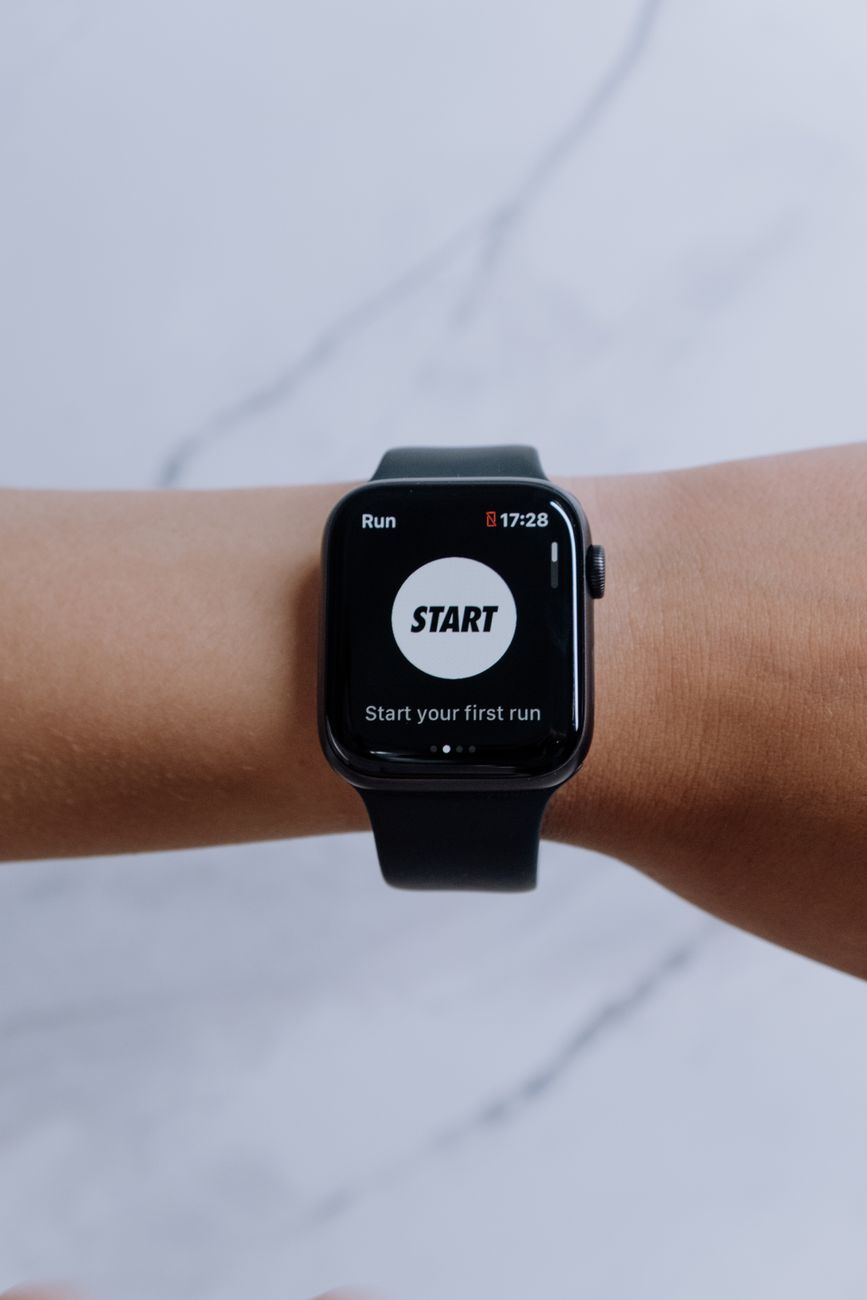
Increased Device Adoption: While currently focused on smartphones and tablets, eSIM technology is expanding to laptops, smartwatches, IoT devices, and even vehicles. Imagine your rental car automatically connecting to local networks as you cross borders, or your smartwatch maintaining connectivity independently of your phone.
Seamless Global Connectivity: Future eSIM systems may enable truly seamless switching between networks and providers as you travel, automatically selecting the best available connection without manual intervention.
Integrated Travel Services: eSIM providers are increasingly partnering with travel companies to offer bundled services—combining data plans with travel insurance, accommodation discounts, or transportation passes.
5G Optimization: As 5G networks expand globally, eSIM technology is well-positioned to leverage these high-speed connections for travelers, particularly for data-intensive activities like video conferencing, augmented reality navigation, and high-quality streaming.
What These Trends Mean for Travelers
For international travelers, these developments promise even greater convenience, affordability, and functionality. The vision is a future where connectivity concerns simply disappear from travel planning—where your devices automatically connect to the best available networks wherever you go, at reasonable prices, without any setup required.
This evolution toward seamless global connectivity represents more than just technological progress—it's about removing barriers to exploration and making the world more accessible. As these trends develop, resources like The Ultimate Guide to Travel Connectivity Made Easy with eSIMs will continue to provide valuable insights into maximizing these advancements for your travel needs.
Conclusion: Embracing the eSIM Revolution
Getting started with eSIMs marks a significant step toward smarter, more affordable international travel. This comprehensive guide has covered everything from the basic technology behind eSIMs to advanced setup techniques, cost comparisons, and future trends. The key takeaways are clear: eSIM technology offers travelers unprecedented convenience, substantial cost savings, enhanced security, and remarkable flexibility compared to traditional connectivity options.
As you prepare for your next international journey, remember that adopting eSIM technology is about more than just staying connected—it's about traveling smarter. It's about arriving in a new country and immediately having the tools to navigate, communicate, and share your experience. It's about avoiding the stress and expense of traditional roaming while enjoying reliable internet access wherever your adventures take you.
The transition to eSIMs represents a fundamental shift in how we stay connected while traveling. Just as smartphones revolutionized communication and digital maps transformed navigation, eSIM technology is eliminating one of the last remaining pain points of international travel. By understanding and embracing this technology, you're not just preparing for your next trip—you're future-proofing your travel experience for years to come.
At Saily, we're proud to be at the forefront of this revolution, helping travelers around the world discover the freedom and convenience of eSIM connectivity. Whether you're planning a short vacation or embarking on a year-long digital nomad journey, we're here to ensure you stay connected affordably, reliably, and securely. Welcome to the future of travel connectivity—it's embedded, it's digital, and it's ready to transform your journeys.