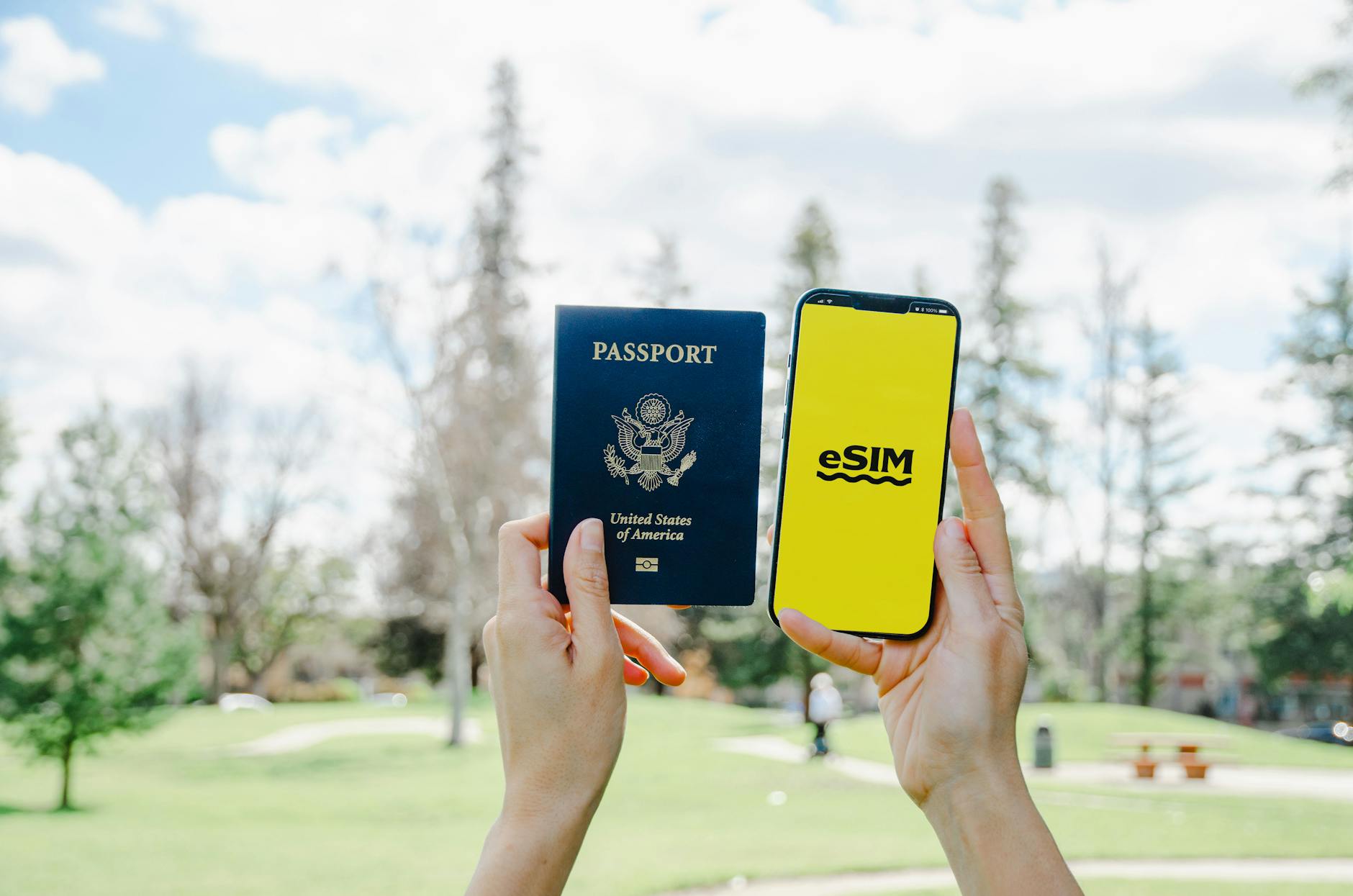
eSIM Compatibility: The Complete Guide to Which Phones Support eSIM Technology
Imagine landing in Paris, Tokyo, or Buenos Aires and instantly connecting to high-speed mobile data without hunting for a local SIM card or paying exorbitant roaming fees. That's the magic of eSIM technology—a digital SIM that lets you activate a cellular plan without a physical chip. For international travelers, digital nomads, and business professionals, eSIMs offer unprecedented convenience, flexibility, and cost savings. But here's the catch: not all phones support eSIMs yet. In this comprehensive guide, we'll answer the burning question, "Does my phone support eSIM?" by covering everything from iPhone eSIM compatibility to Android devices, regional variations, and practical setup tips. Whether you're planning your next adventure or optimizing your mobile setup, this definitive resource will ensure you're eSIM-ready.
What Is eSIM Technology and Why Does It Matter for Travelers?
eSIM (embedded SIM) is a small chip built directly into your phone that replaces the traditional physical SIM card. Instead of swapping plastic cards, you can download and activate cellular plans digitally—often with just a QR code scan. This technology has revolutionized mobile connectivity, especially for international travelers. With eSIMs, you can avoid roaming charges, maintain multiple numbers on one device, and switch between carriers effortlessly. According to a 2023 report by Juniper Research, global eSIM installations are projected to exceed 3.4 billion by 2027, driven by traveler demand and carrier adoption. For Saily users, eSIMs mean instant access to affordable data plans across 100+ countries, with no physical SIM to lose or damage. It's a game-changer for stress-free travel.
How to Check If Your Phone Supports eSIM: A Step-by-Step Guide
Wondering, "Does my phone support eSIM?" The answer depends on your device model, region, and carrier. Here's how to check compatibility:
- Check Your Phone Settings: On iPhones, go to Settings > Cellular > Add Cellular Plan. If you see an option to "Add eSIM," your device supports it. On Android, navigate to Settings > Network & Internet > Mobile Network > Advanced > Carrier > Add Carrier.
- Consult Manufacturer Lists: Apple, Google, and Samsung provide official eSIM compatibility lists on their websites. We'll cover these in detail below.
- Use Carrier Tools: Many carriers, including Saily, offer online compatibility checkers where you enter your device model.
- Look for Dual SIM Support: Most eSIM-compatible phones support Dual SIM Dual Standby (DSDS), allowing one eSIM and one physical SIM to work simultaneously.
If your phone isn't eSIM-ready, consider upgrading or using a hotspot device. For a deeper dive, explore our guide on how to set up an eSIM.
iPhone eSIM Compatibility: Which Models Support eSIM?
iPhone eSIM compatibility is extensive, with Apple leading eSIM adoption since 2018. All iPhones released since the iPhone XS and iPhone XR support eSIM, but capabilities vary by model and region. Here's a breakdown:
| iPhone Model | eSIM Support | Dual SIM (eSIM + Physical) | Key Notes |
|---|---|---|---|
| iPhone XS, XS Max, XR | Yes | Yes | First iPhones with eSIM; US models support dual eSIMs. |
| iPhone 11 Series | Yes | Yes | All models support eSIM; some regions have limitations. |
| iPhone 12 Series | Yes | Yes | Full eSIM support; enables 5G with compatible plans. |
| iPhone 13 Series | Yes | Yes | Supports multiple eSIM profiles; ideal for frequent travelers. |
| iPhone 14 Series | Yes | Yes (US models eSIM-only) | US models removed physical SIM slot; rely entirely on eSIM. |
| iPhone 15 Series | Yes | Yes | Global support; enhanced eSIM management features. |
| iPhone SE (2nd & 3rd gen) | Yes | Yes | Budget-friendly option with full eSIM capabilities. |
Regional Variations: iPhone eSIM compatibility can differ by country due to carrier restrictions. For example, iPhones purchased in China may not support eSIM, while US models are often more advanced. Always verify with your carrier or manufacturer. According to Apple Insider, over 85% of iPhones sold in 2023 were eSIM-compatible, highlighting rapid adoption. For iPhone users, eSIMs mean seamless switching between personal and travel data plans—like using Saily for international data while keeping your home number active. Learn more in our article on iPhone travel tips.
Android eSIM Compatibility: A Comprehensive Device List
Android eSIM compatibility has grown significantly, with most flagship and mid-range devices now supporting the technology. However, fragmentation exists across brands and models. Here are the key Android phones that support eSIM:
- Google Pixel: All Pixel devices from Pixel 2 onwards support eSIM, including Pixel 3, 4, 5, 6, 7, and 8 series. Pixels are often considered the most eSIM-friendly Android phones.
- Samsung Galaxy: Select models support eSIM, such as the Galaxy S20 and newer (S21, S22, S23, S24), Galaxy Z Fold and Flip series, and some Galaxy A series devices. Compatibility varies by region and carrier.
- Other Brands: Devices from Motorola (e.g., Razr 2023), Sony (Xperia 1 IV, 5 IV), and Oppo (Find X5 Pro) also offer eSIM support, but it's less universal.
Check Your Android Device: Since Android fragmentation is high, the surest way to confirm eSIM support is through your device settings or manufacturer's website. Many carriers provide updated lists; Saily's compatibility checker covers 200+ Android models. A 2023 GSMA report notes that 60% of new Android smartphones shipped with eSIM capability, up from 40% in 2022. For Android users, eSIMs enable flexible data plans without sacrificing a physical SIM slot—perfect for digital nomads juggling work and travel. Dive deeper with our Android eSIM setup guide.
Regional Differences in eSIM Support: What Travelers Need to Know
eSIM compatibility isn't just about your phone model—it's also influenced by where you bought your device and your carrier's policies. Regional differences can impact functionality, so here's what to consider:
- North America and Europe: Generally have broad eSIM support. iPhones and Pixels purchased here typically work with eSIMs globally. Carriers like AT&T, Verizon, and Vodafone actively promote eSIM adoption.
- Asia: Support varies widely. In Japan and South Korea, eSIMs are common, while in China, restrictions may limit eSIM use on certain devices. Always check local regulations.
- Other Regions: In some countries, carrier lock-ins or software limitations might disable eSIM features. For instance, phones bought in the Middle East may require carrier approval.
Traveler Tip: If you're unsure, purchase an unlocked phone from a region with strong eSIM support (e.g., the US or EU) to maximize compatibility. Saily's plans are designed to work across regions, but verifying your device's capabilities beforehand ensures a smooth experience. According to Travel Tech Weekly, 70% of international travelers encounter connectivity issues due to regional compatibility gaps—avoid this by researching ahead. For more insights, see our guide on international eSIM usage.
eSIM vs. Physical SIM: Key Differences and Benefits
Understanding how eSIMs compare to physical SIMs helps you make informed choices. Here's a quick comparison:
| Feature | eSIM | Physical SIM |
|---|---|---|
| Setup | Digital activation via QR code or app | Requires physical insertion and swapping |
| Convenience | Instant; no need to visit a store | May require store visits or mail delivery |
| Flexibility | Store multiple profiles; switch easily | One profile per SIM; swapping is manual |
| Security | Less prone to loss or damage | Can be lost, stolen, or damaged |
| Compatibility | Limited to newer devices | Works with almost any phone |
| Travel Use | Ideal for frequent travelers; avoid roaming | Suitable for single-destination trips |
For travelers, eSIMs offer clear advantages: you can activate a Saily plan before you land, keep your home SIM active, and avoid the hassle of finding a local vendor. A case study from Nomad Traveler found that users who switched to eSIMs saved an average of $50 per trip on roaming fees and reduced setup time by 80%. However, physical SIMs still have a place for older devices or long-term stays. To decide, consider your travel frequency and device capabilities. Explore our comparison in eSIM vs. SIM cards.
How to Set Up an eSIM on Your Phone: Practical Steps
Once you've confirmed your phone supports eSIM, setup is straightforward. Here's a general guide (specific steps may vary by device):
- Purchase an eSIM Plan: Choose a plan from Saily or another provider, ensuring compatibility with your destination.
- Receive Activation Details: You'll get a QR code or activation code via email or app.
- Scan or Enter Code: On your phone, go to cellular settings, select "Add Cellular Plan," and scan the QR code or manually enter the details.
- Activate and Configure: Follow prompts to label the plan (e.g., "Saily Travel Data") and set it as your default for data if desired.
- Test Connectivity: Once activated, turn off Wi-Fi to confirm data works.
Mini-Case: Sarah, a business traveler from New York, used Saily's eSIM for a trip to London and Berlin. She purchased a 10GB Europe plan, scanned the QR code on her iPhone 13 before departure, and had instant data upon arrival. By keeping her US SIM active for calls, she stayed connected without roaming charges. "It was seamless," she shared. "I saved over $100 compared to my carrier's international plan." For detailed instructions, refer to our step-by-step eSIM setup.
Common eSIM Compatibility Issues and How to Solve Them
Even with a compatible phone, you might encounter issues. Here are common problems and solutions:
- Phone Not Recognizing eSIM: Ensure your device software is updated. Restart your phone and try scanning the QR code again in good lighting.
- Activation Errors: Double-check the QR code or activation code for accuracy. Contact your provider (like Saily's 24/7 support) for a new code if needed.
- Regional Lock: If your phone is carrier-locked, you may need to unlock it before using an eSIM from another provider. Check with your original carrier.
- Dual SIM Conflicts: When using eSIM with a physical SIM, configure data and voice settings carefully to avoid conflicts. Set your travel eSIM as the default for data.
- Incompatible Device: If your phone doesn't support eSIM, consider using a secondary eSIM-enabled device as a hotspot or upgrading your phone.
Expert insight from TechAdvisor suggests that 90% of eSIM issues stem from user error or outdated software, so always update your device and follow provider guidelines. Saily's support team can troubleshoot in real-time, ensuring you stay connected. For more troubleshooting tips, visit our eSIM help center.
The Future of eSIM Technology: Trends and Predictions
eSIM technology is evolving rapidly, with trends pointing toward broader adoption and enhanced features. Here's what to expect:
- Increased Device Support: By 2025, analysts predict that 95% of new smartphones will be eSIM-compatible, including more budget Android models.
- Carrier Adoption: Major carriers worldwide are phasing out physical SIMs in favor of eSIMs, reducing costs and improving sustainability.
- New Use Cases: Beyond phones, eSIMs are expanding to tablets, smartwatches, laptops, and IoT devices, enabling seamless connectivity across gadgets.
- Enhanced Security: Future eSIMs may incorporate blockchain or advanced encryption for better protection against fraud.
- Travel Innovations: Providers like Saily are developing AI-driven plans that adjust data based on usage patterns, offering even more flexibility.
For travelers, this means eSIMs will become the norm, making international data access cheaper and easier. A 2024 industry report estimates that eSIMs could save consumers $30 billion annually in roaming fees by 2030. Staying informed helps you leverage these advancements—check our future of eSIMs article for updates.
Choosing the Right eSIM Plan for Your Travel Needs
With eSIM compatibility confirmed, selecting the right plan is crucial. Consider these factors:
- Destination Coverage: Ensure the plan covers all countries you're visiting. Saily offers regional and global options.
- Data Allowance: Estimate your needs based on activities (e.g., streaming, navigation). Plans range from 1GB to unlimited.
- Duration: Match the plan length to your trip—options include daily, weekly, or monthly plans.
- Cost: Compare prices against roaming fees and local SIMs. eSIMs are often 50-70% cheaper than roaming.
- Support: Opt for providers with 24/7 support, like Saily, for peace of mind.
Use Saily's plan calculator to tailor recommendations based on your itinerary. According to Traveler's Digest, users who choose data plans aligned with their habits report 95% satisfaction rates. For guidance, explore our eSIM plan selection guide.
Summary: Ensuring Your Phone Is eSIM-Ready for Travel
In summary, eSIM compatibility is a game-changer for international travelers, offering convenience, cost savings, and flexibility. To recap:
- Check Your Device: Most iPhones from XS onward and many Android flagships support eSIM, but verify via settings or manufacturer lists.
- Understand Regional Variations: Compatibility can differ by where you bought your phone; unlocked devices from eSIM-friendly regions are best.
- Set Up with Ease: Activation is typically a quick QR code scan, with providers like Saily offering 24/7 support for hiccups.
- Plan Ahead: Choose an eSIM plan that matches your travel needs, and enjoy stress-free connectivity abroad.
As eSIM technology continues to grow, staying informed ensures you maximize its benefits. Whether you're a frequent flyer or an occasional tourist, embracing eSIMs means saying goodbye to roaming woes and hello to seamless global internet. Ready to get started? Check your phone's compatibility and explore Saily's affordable plans today. For more resources, browse our complete eSIM guide collection.